


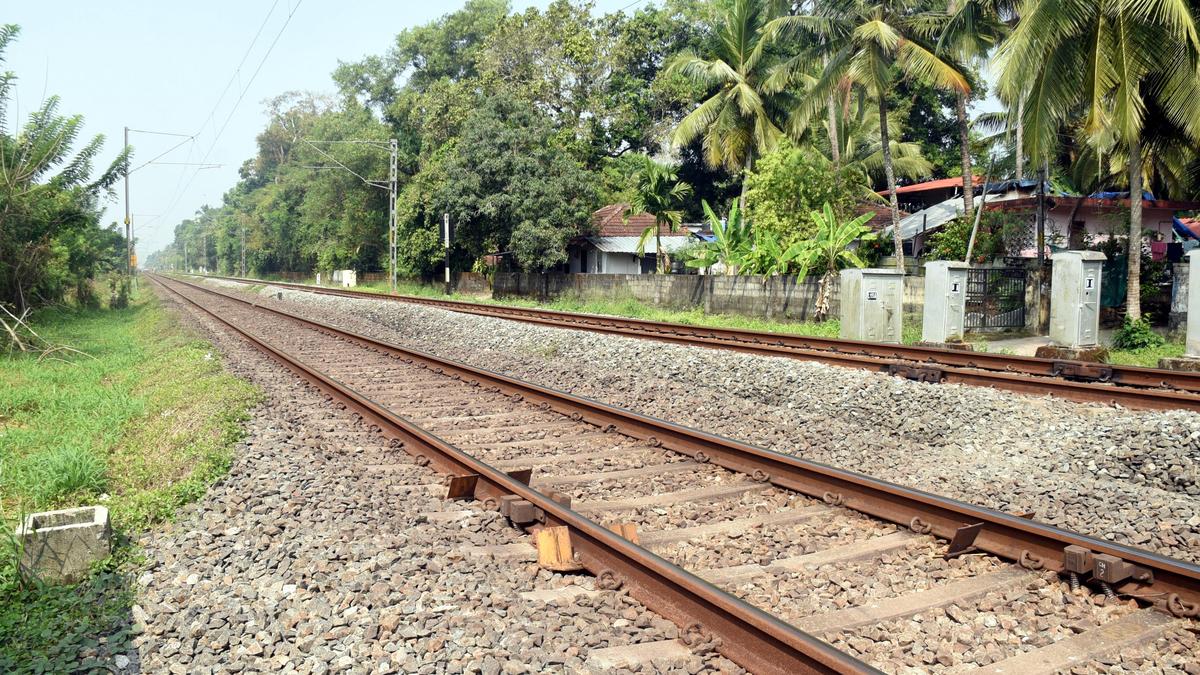
## Summary of The Hindu Article: Nearly 50 Died on Railway Tracks Between Alappuzha and Thrissur This Year
Nearly 50 people have died after being struck by trains between Alappuzha and Thrissur in Kerala during the first eight months of 2024. This represents a significant increase compared to previous years, with 38 deaths reported for the entirety of 2023 and 31 in 2022.
The majority of incidents are categorized as accidental, with individuals reportedly walking or crossing the tracks unaware of approaching trains. However, authorities are investigating a substantial number of cases – around 20 – as suspected suicides. This is a notable rise in potential suicides compared to previous years.
Several factors are believed to be contributing to the surge in fatalities. Increased train traffic, particularly freight trains, is a key element. The region experiences high population density near railway lines, and unauthorized crossings are common. Poor visibility due to vegetation alongside the tracks also hinders both pedestrian awareness and train drivers’ ability to spot people on the lines.
Railway officials have initiated several measures to address the issue. These include conducting awareness campaigns focusing on safe railway crossing practices, clearing vegetation along the tracks to improve visibility, and increasing patrolling in vulnerable areas. They are also coordinating with local police and government authorities to identify and address potential suicide hotspots.
The article highlights the specific vulnerability of certain sections, particularly between Thrissur and Ernakulam. Local residents suggest a lack of adequate pedestrian overbridges and underpasses contributes to people risking crossing the tracks.
The Southern Railway has urged the public to use designated railway crossings and to be extremely cautious when near railway tracks. The alarming rise in deaths has prompted a renewed focus on railway safety and preventative measures in the region. Authorities are emphasizing the need for collective responsibility – from railway officials to local communities – to reduce these tragic incidents.