


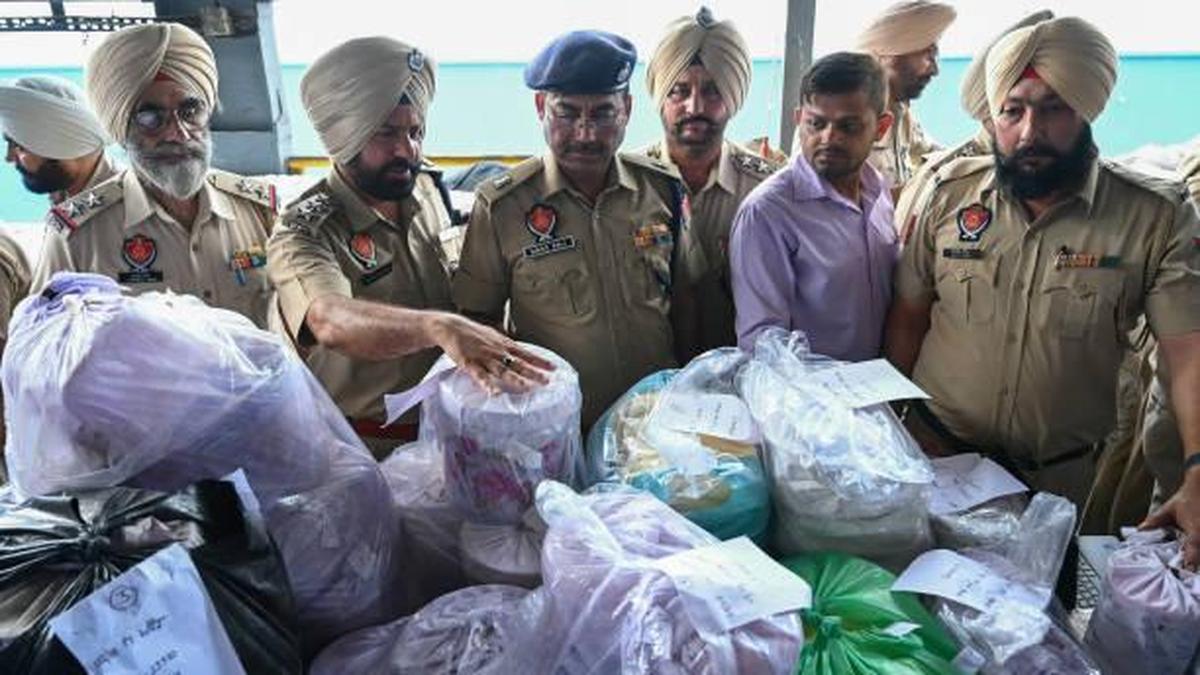
A recent study by the Punjab State Council for Science & Technology (PSCST) reveals narcotics trade is a major driver of Punjab’s black economy, estimated at ₹1.2 lakh crore annually, constituting roughly 15-20% of the state’s GDP. The study, led by economist Lakhwinder Singh, identifies drug trafficking as the primary source of this illicit wealth, exceeding revenue from traditional illegal activities like mining and liquor smuggling.
The report details how proceeds from drug sales are laundered through various channels including real estate, benami properties, and legitimate businesses. This infusion of ‘dirty money’ distorts market dynamics, inflates property values, and creates unfair competition. The study estimates ₹70,000 crore is generated from the sale of opium, heroin, and synthetic drugs within Punjab, with an additional ₹50,000 crore originating from cross-border smuggling.
Significant portions of the illicit funds are linked to political funding and used to influence elections, creating a cycle of corruption and impunity. The study highlights the involvement of a network of individuals including smugglers, distributors, retailers, and financiers, many operating with political patronage.
The report points to a complex supply chain originating primarily from Afghanistan and Pakistan, with drugs entering Punjab through border areas. It notes the increasing trend of synthetic drug manufacturing within the state, further complicating law enforcement efforts.
The study recommends a multi-pronged approach to combat the problem, including strengthening border security, disrupting drug supply chains, enhancing intelligence gathering, and implementing stricter financial regulations to curb money laundering. It also emphasizes the need for political will and inter-agency coordination to effectively tackle the issue and dismantle the network fueling Punjab’s black economy. The report stresses that addressing the drug problem is crucial not only for law and order but also for the state’s economic health and social well-being.