


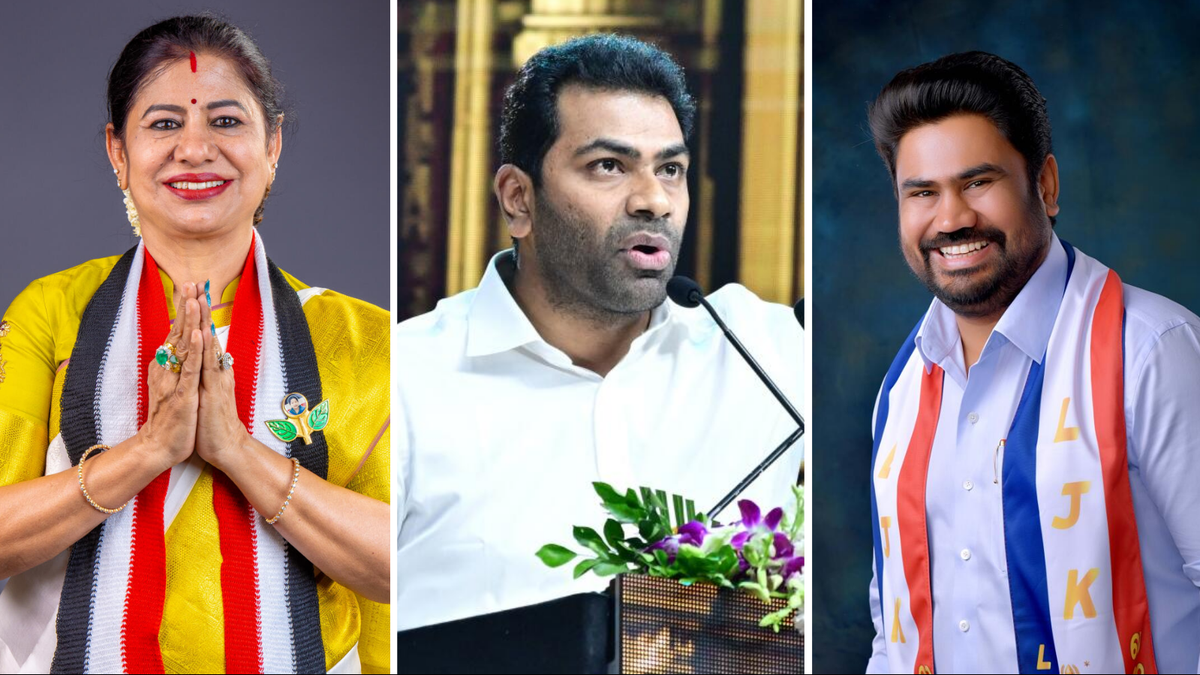
The article discusses the contrasting political paths of siblings – Ashok Gehlot and Vijay Gehlot – in Rajasthan, despite originating from the same family and political background. Ashok Gehlot is a prominent Congress leader and former Chief Minister, while Vijay Gehlot joined the Bharatiya Janata Party (BJP) and contested against his brother in the recent Rajasthan Assembly elections.
The Gehlot brothers hail from a farming family in Sadri, Pali district, and were initially influenced by their father’s involvement in local politics. Both began their political careers with the Congress party. Ashok Gehlot rose through the ranks, becoming a Member of Parliament and eventually serving as Rajasthan’s Chief Minister for three terms. He is known for his experience and political maneuvering within the Congress.
Vijay Gehlot, however, felt sidelined within the Congress and increasingly disagreed with the party’s direction. He expressed dissatisfaction with the state leadership and perceived a lack of opportunities for growth. This led him to join the BJP in 2023, a move that created a direct familial contest in the Assembly elections.
The article highlights the broader trend of family members taking different political stances in Rajasthan. It points to instances of siblings, fathers and sons, and other relatives aligning with opposing parties, often driven by individual ambitions, perceived injustices, or ideological shifts.
The contest between Ashok and Vijay Gehlot was particularly symbolic, representing a clash of ideologies and a personal rivalry within a family deeply rooted in Rajasthan’s political landscape. Ashok Gehlot won the election, defeating his brother. The article suggests this outcome underscores the established political strength of Ashok Gehlot and the challenges faced by newcomers, even with the backing of a national party like the BJP.
Ultimately, the story of the Gehlot brothers illustrates the complex dynamics of family, politics, and individual ambition in Indian democracy, particularly within the context of regional political landscapes like Rajasthan.