

## Delhi High Court on Shashi Tharoor & Deepfake Videos – Summary
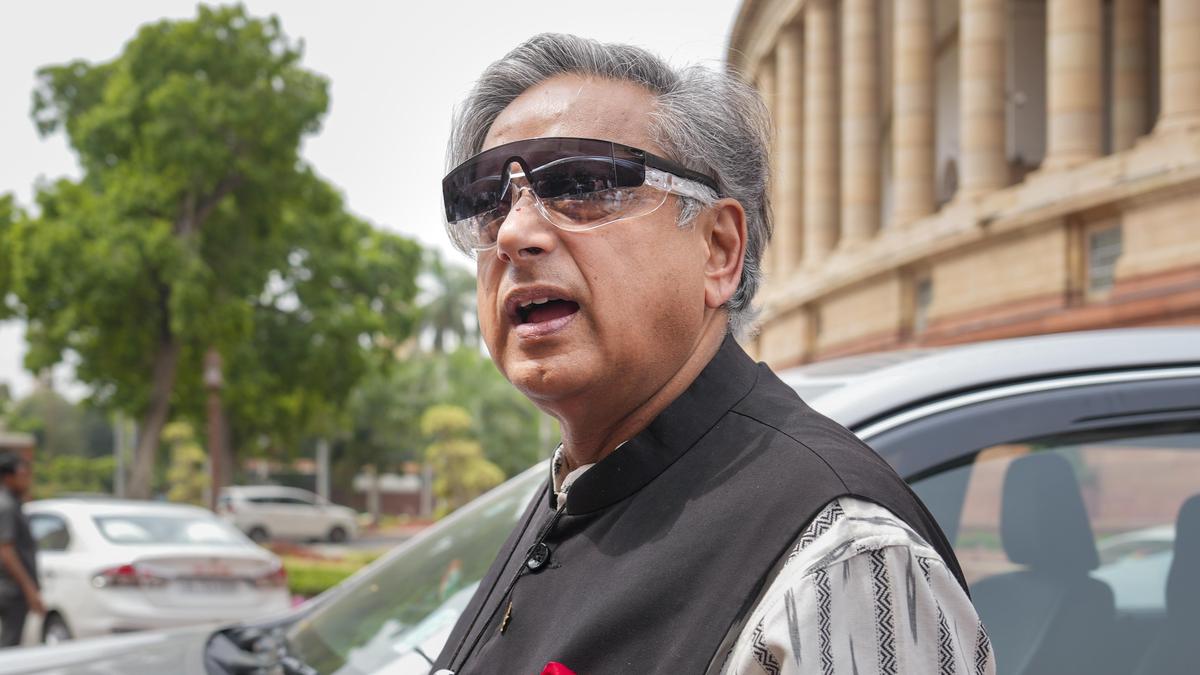
The Delhi High Court is currently hearing a case filed by Congress MP Shashi Tharoor regarding the misuse of his likeness through deepfake videos. Tharoor seeks to protect his personality rights and prevent the creation and dissemination of fabricated content using his image and voice.
The core issue revolves around whether personality rights, encompassing the right to publicity and the right to control one’s image, are legally recognized in India. Currently, Indian law lacks a specific statute addressing deepfakes or explicitly defining personality rights. Tharoor’s counsel argues these rights are inherent under Article 21 (right to life and personal liberty) of the Constitution, and are also protected under common law principles relating to defamation and passing off.
The court is examining if existing legal frameworks – like the Information Technology Act, the Copyright Act, and laws related to defamation – can be effectively applied to address the harms caused by deepfakes. A key argument is that deepfakes can cause irreparable damage to reputation and potentially influence public opinion, especially during elections.
During the proceedings, the court questioned whether a blanket ban on deepfakes is feasible or if a more nuanced approach is required, potentially focusing on malicious intent and demonstrable harm. The court also explored the responsibility of social media platforms in preventing the spread of such content.
The central government has informed the court that it is considering enacting legislation to specifically address deepfakes, acknowledging the growing threat they pose. However, the government requested time to finalize its position and draft the legislation.
The court has directed social media platforms like Google, Meta (Facebook, Instagram), and X (formerly Twitter) to respond to Tharoor’s plea and outline their policies regarding deepfake content. The next hearing is scheduled for February 22, where further arguments and potential interim orders are expected. The outcome of this case could set a significant precedent for the legal protection of personality rights and the regulation of deepfake technology in India.