


## Karnataka Human-Animal Conflict: A Summary
Karnataka is facing a severe and escalating human-animal conflict, primarily involving elephants, tigers, leopards, and wild boars. The conflict is concentrated in regions bordering forests, impacting agricultural lands and human settlements. Increased incidents of animal attacks, including fatalities, are causing widespread fear and resentment among local communities.
Several factors contribute to this crisis. Habitat loss and fragmentation due to expanding agriculture, infrastructure projects (like railways and highways), and urbanization are forcing animals into human-dominated landscapes in search of food and space. Changing land use patterns, including the cultivation of attractive crops near forest edges, further exacerbate the problem.
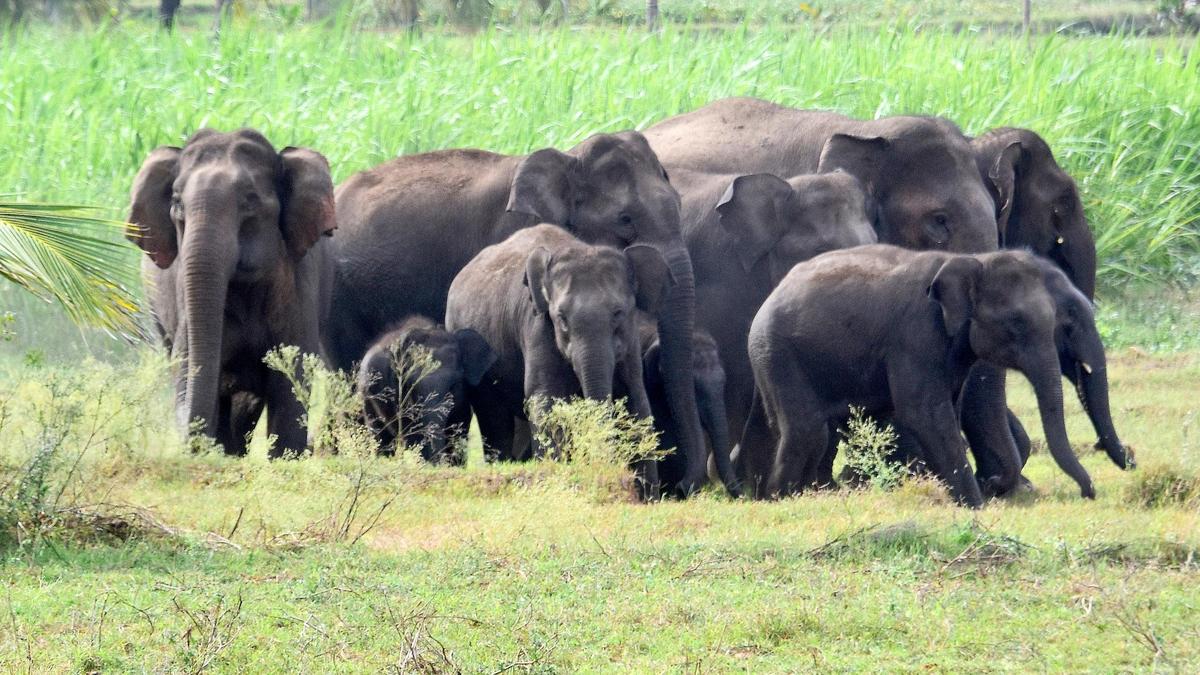
Elephants are responsible for the majority of conflict incidents, often raiding crops, damaging property, and occasionally causing human deaths. Tiger and leopard attacks, though less frequent, are often fatal and generate significant panic. Wild boar damage to agricultural fields is a widespread issue, impacting livelihoods.
Current mitigation strategies are proving inadequate. Traditional methods like trenches, solar fences, and translocation have had limited success. The Forest Department faces challenges including insufficient staff, outdated equipment, and difficulties in rapid response. Compensation schemes for crop damage and loss of life are often delayed and considered insufficient by affected families.
The article highlights the growing frustration of villagers who feel increasingly vulnerable and unprotected. There are calls for more proactive and comprehensive conflict management strategies. These include improved forest management, creating alternative livelihood opportunities for communities living near forests, enhancing early warning systems, and investing in more effective mitigation infrastructure.
Experts emphasize the need for a holistic approach that considers both ecological and socio-economic factors. This includes addressing the root causes of habitat loss, promoting coexistence, and ensuring timely and adequate compensation to affected individuals. The situation demands urgent attention and a collaborative effort between the Forest Department, local communities, and other stakeholders to find sustainable solutions. The increasing conflict poses a threat to both human life and wildlife conservation in the state.