

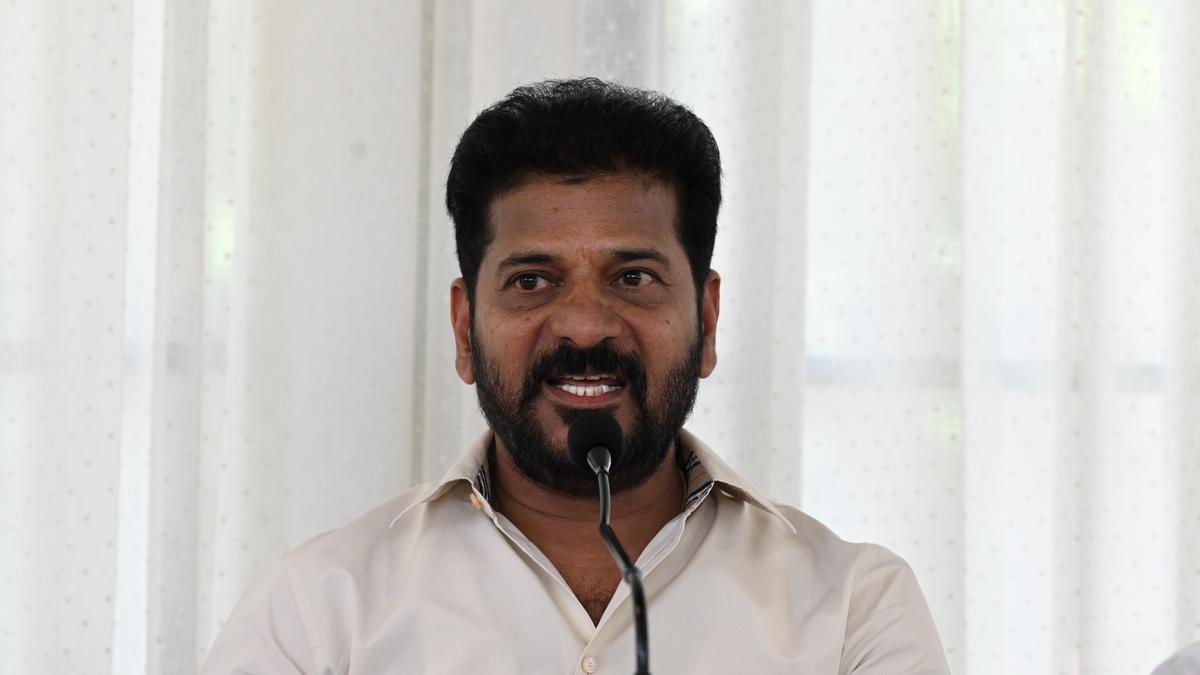
Telangana Chief Minister A. Revanth Reddy presented a comprehensive urban vision for Hyderabad’s future development to the Parliamentary Standing Committee on Home Affairs in New Delhi. The core of his plan revolves around transforming Hyderabad into a global city, focusing on infrastructure, citizen services, and sustainable growth.
Key proposals include a ₹10,000 crore project to enhance the city’s drainage system to prevent recurring floods, particularly in vulnerable areas. This involves widening and deepening existing drains, and constructing new ones. He also advocated for a ₹2,000 crore initiative to modernize the city’s traffic management system, incorporating advanced technologies like Artificial Intelligence to optimize traffic flow and reduce congestion.
A significant portion of the vision centers on improving public transportation. Reddy proposed a phased expansion of the Metro Rail network, extending it to cover more areas of the city and its outskirts, with an estimated cost of ₹6,000 crore. He also emphasized the need for a comprehensive bus rapid transit (BRT) system to complement the Metro and provide last-mile connectivity.
The CM highlighted the importance of citizen-centric governance and proposed a unified citizen portal offering access to all government services. This digital platform aims to streamline processes, reduce bureaucratic hurdles, and enhance transparency. He also stressed the need for strengthening law enforcement through technological upgrades, including increased CCTV surveillance and a modern command and control center.
Reddy requested central government assistance for these projects, emphasizing Hyderabad’s potential to become a major economic hub and contribute significantly to the nation’s growth. He specifically sought funds for the drainage project, citing the city’s vulnerability to climate change and the need for robust infrastructure. He also requested support for the traffic management and Metro expansion projects, framing them as crucial investments in the city’s future.
The presentation also touched upon the need for affordable housing for the urban poor and the development of green spaces to improve the city’s environment. The overall aim is to create a livable, sustainable, and globally competitive city.