

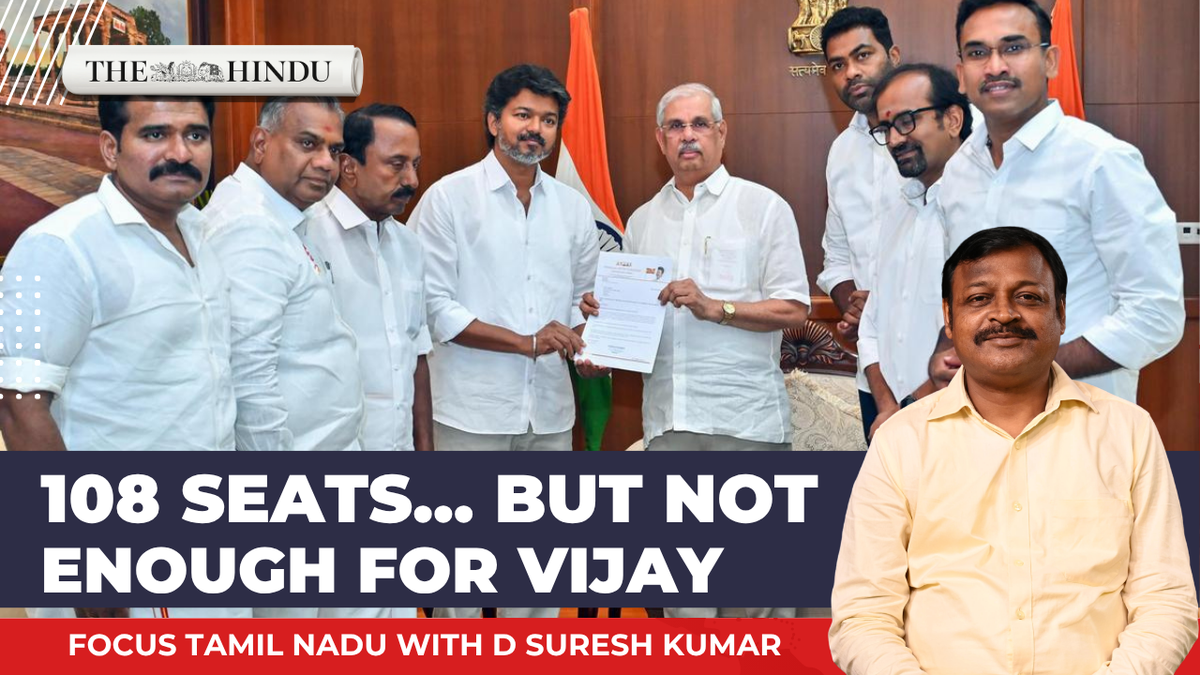
Vijay, the popular actor, led his party, the Tamil Nadu Teachers Association (TNTA), to a significant victory in the recent Lok Sabha elections, winning all 40 seats in Tamil Nadu. Despite this landslide win, Vijay cannot immediately become Chief Minister due to constitutional and legal hurdles.
The primary obstacle is Rule 14A of the Representation of the People (Second Amendment) Act, 2002. This rule disqualifies individuals holding office of profit from contesting elections or becoming members of the legislature. Vijay currently holds the position of General Secretary in the TNTA, which is considered an office of profit as it receives government funding and benefits.
To become eligible, Vijay must relinquish his position in the TNTA. However, simply resigning isn’t enough. The Election Commission must formally accept his resignation, and a period of six months must pass from the date of resignation before he can contest an election. This timeline prevents him from immediately contesting a state assembly election to become Chief Minister.
Furthermore, the TNTA’s structure presents a challenge. The party’s constitution requires a specific process for leadership changes, potentially delaying a smooth transition and acceptance of his resignation by the Election Commission.
The video explains that while Vijay enjoys immense public support, translating that into a Chief Ministerial position requires navigating these legal and procedural complexities. His party’s victory demonstrates a strong anti-incumbent sentiment and a desire for change, but the path to leadership is not straightforward.
The current strategy involves appointing a legislative party leader to function as the interim leader in the assembly, while Vijay focuses on strengthening the party and preparing for future state elections. The video suggests the next state assembly elections are the likely timeframe for Vijay to potentially assume the role of Chief Minister, provided he successfully addresses the office of profit disqualification.