


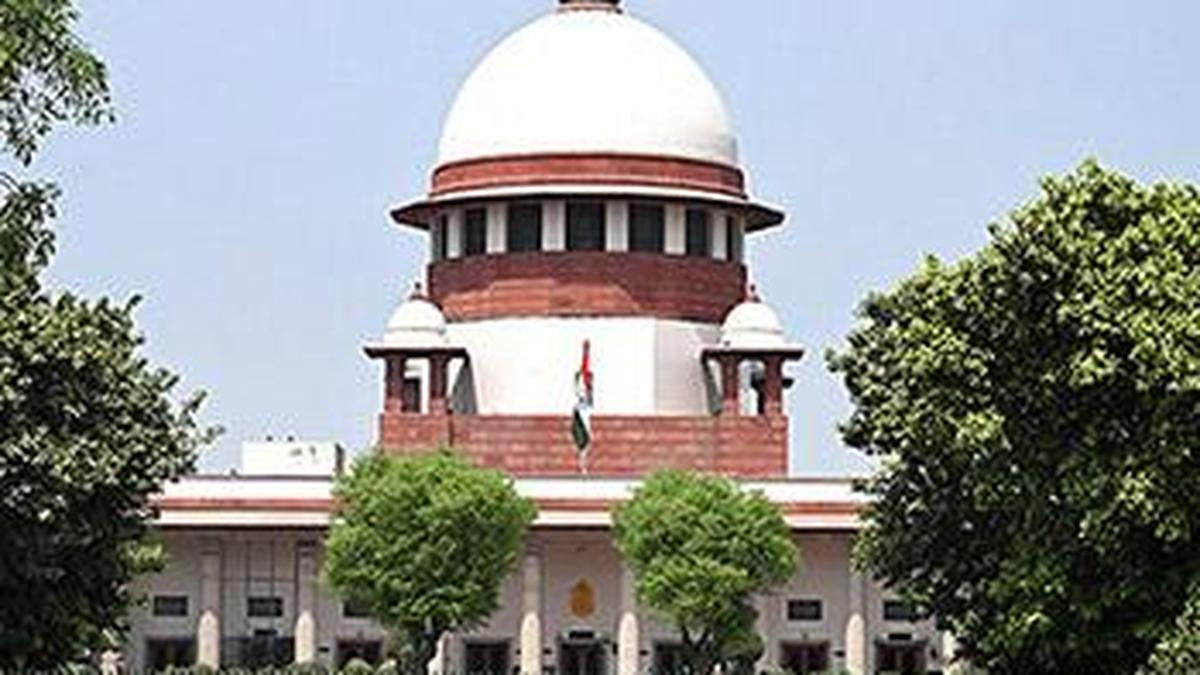
The Supreme Court is examining the validity of the Central Civil Services (CCS) – Conduct, Discipline and Appeal (CECEC) Rules, 2023, specifically concerning changes to the process of appointing presiding officers to tribunals. The court is questioning whether there was adequate parliamentary debate before enacting the law, as the rules significantly alter established procedures.
The core issue revolves around the 2023 rules which allow the central government to appoint presiding officers to central administrative tribunals (CATs) from a panel of names recommended by a search-cum-selection committee, even if the committee doesn’t unanimously agree on the names. Previously, unanimous consent was required. This change has been challenged, with petitioners arguing it compromises the independence of the tribunals.
During the hearing, the Supreme Court questioned the rationale behind bypassing the need for unanimous consent, suggesting it could lead to appointments based on government preference rather than merit. The court asked if Parliament was adequately informed about the implications of this change when the law was passed. Solicitor General Tushar Mehta argued the government has the power to make these rules and that the changes were made to expedite the appointment process, addressing long-standing vacancies in the tribunals.
The petitioners, including the All India Confederation of SC/ST/OBC Employees, contend that the new rules violate the principle of independence of the judiciary, a fundamental aspect of the Constitution. They argue that allowing appointments with a majority vote weakens the selection process and opens the door to political influence.
The Court has directed the government to file an affidavit detailing the discussions and debates that took place in Parliament regarding the CECEC rules, specifically focusing on the changes to the appointment process. The court wants to understand if Parliament was fully aware of the shift from unanimous consent to a majority vote and the potential consequences for the independence of the tribunals. The next hearing is scheduled for July 10th, where the affidavit will be reviewed. The case raises important questions about the balance between executive efficiency and judicial independence in the appointment of tribunal members.