


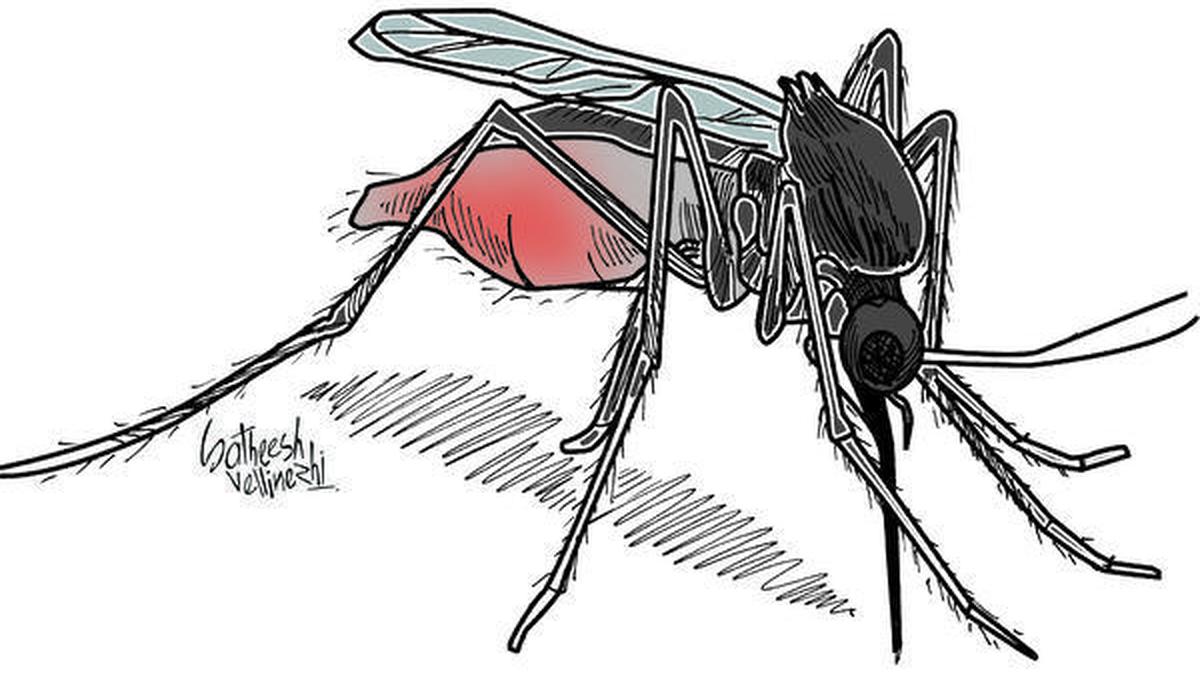
Kerala health authorities have issued a caution regarding a potential surge in mosquito-borne diseases, particularly dengue, chikungunya, and leptospirosis, following the recent heavy rainfall and flooding. Increased mosquito breeding sites created by stagnant water are the primary concern.
Recent data indicates a rise in dengue cases across several districts, including Thiruvananthapuram, Kollam, and Pathanamthitta. While no deaths directly attributed to dengue have been officially reported this year, authorities are closely monitoring the situation. Leptospirosis cases are also being reported, linked to contact with floodwater contaminated by animal urine.
The Health Department is focusing on source reduction – eliminating mosquito breeding grounds – through coordinated efforts involving local self-help groups, health workers, and the public. This includes removing stagnant water from homes, public spaces, and abandoned properties. Larvicidal measures are also being implemented in areas identified as high-risk.
Public awareness campaigns are underway, emphasizing personal protective measures such as using mosquito repellents, wearing long sleeves and pants, and sleeping under mosquito nets. People are advised to seek immediate medical attention if they develop fever, headache, muscle pain, or rash. Early diagnosis and treatment are crucial for managing these diseases effectively.
Regarding leptospirosis, the public is urged to avoid contact with floodwater as much as possible. If unavoidable, protective gear like gloves and boots should be worn. Doxycycline prophylaxis is recommended for individuals at high risk of exposure, particularly those involved in rescue and relief operations.
The Health Department has issued specific guidelines to hospitals to ensure adequate preparedness for managing cases of these diseases, including ensuring sufficient stock of testing kits and medications. Continuous surveillance and monitoring of cases are being conducted to track the spread of the diseases and implement targeted interventions. The authorities stress the importance of community participation in preventing the spread of these illnesses.