


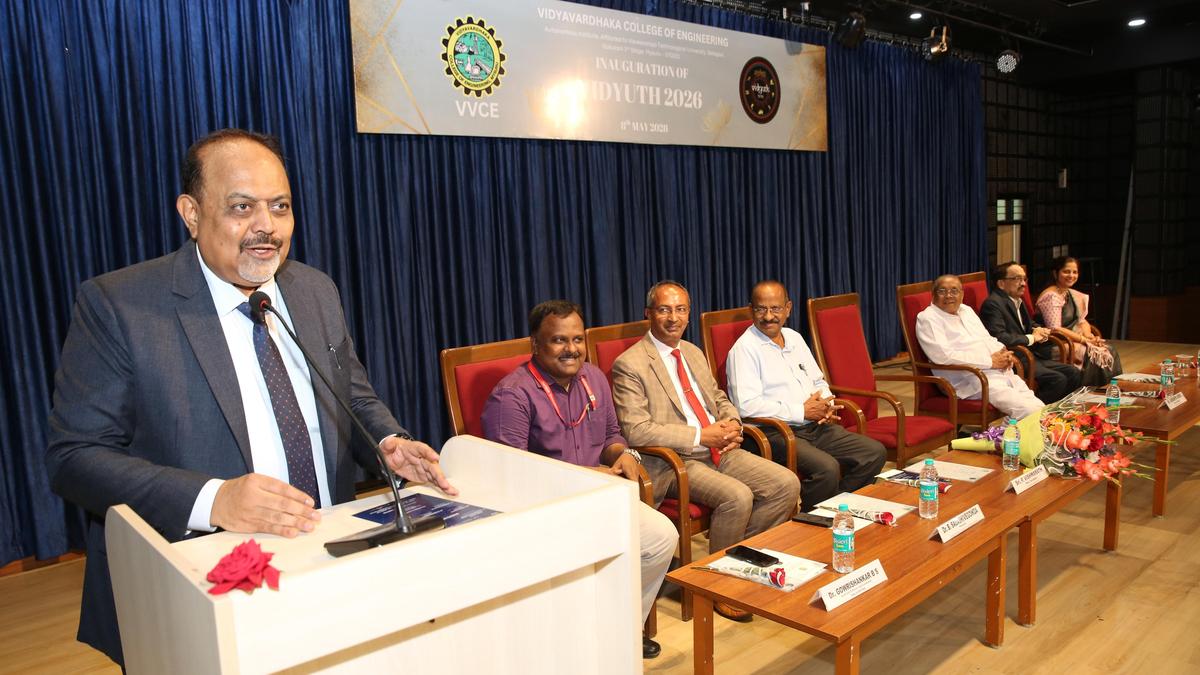
JSS Science and Technology University (JSS STU) Vice-Chancellor Dr. B. Manjunath anticipates a significant resurgence in core engineering sectors like mechanical, civil, electrical, and electronics, driven by government initiatives and evolving global economic dynamics. He believes the current trend favoring computer science and related fields is cyclical and will rebalance.
Dr. Manjunath highlighted the Production Linked Incentive (PLI) scheme and infrastructure development projects as key catalysts for reviving traditional engineering disciplines. The PLI scheme, encouraging domestic manufacturing, will create demand for mechanical and manufacturing engineers. Simultaneously, large-scale infrastructure projects—roads, railways, dams, and urban development—will fuel the need for civil engineers.
He noted a growing realization that a solely software-focused approach is insufficient for comprehensive development. The need for hardware, maintenance, and physical infrastructure necessitates a strong foundation in core engineering. Furthermore, the increasing focus on renewable energy and electric vehicles will boost demand for electrical and electronics engineers.
JSS STU is responding to this anticipated shift by strengthening its core engineering programs, focusing on industry-relevant curriculum updates, and promoting research in emerging areas within these fields. The university is also emphasizing skill development and practical training to ensure graduates are well-prepared for the evolving job market.
Dr. Manjunath observed a recent uptick in student interest in core engineering branches, suggesting a potential early indicator of the predicted revival. He stressed the importance of bridging the gap between academia and industry through collaborations and internships. The university is actively pursuing partnerships with industries to provide students with real-world exposure and facilitate placements. He also pointed out the necessity of attracting quality faculty and investing in advanced laboratory infrastructure to maintain program standards. The overall outlook is optimistic, forecasting a robust future for core engineering sectors in India.