


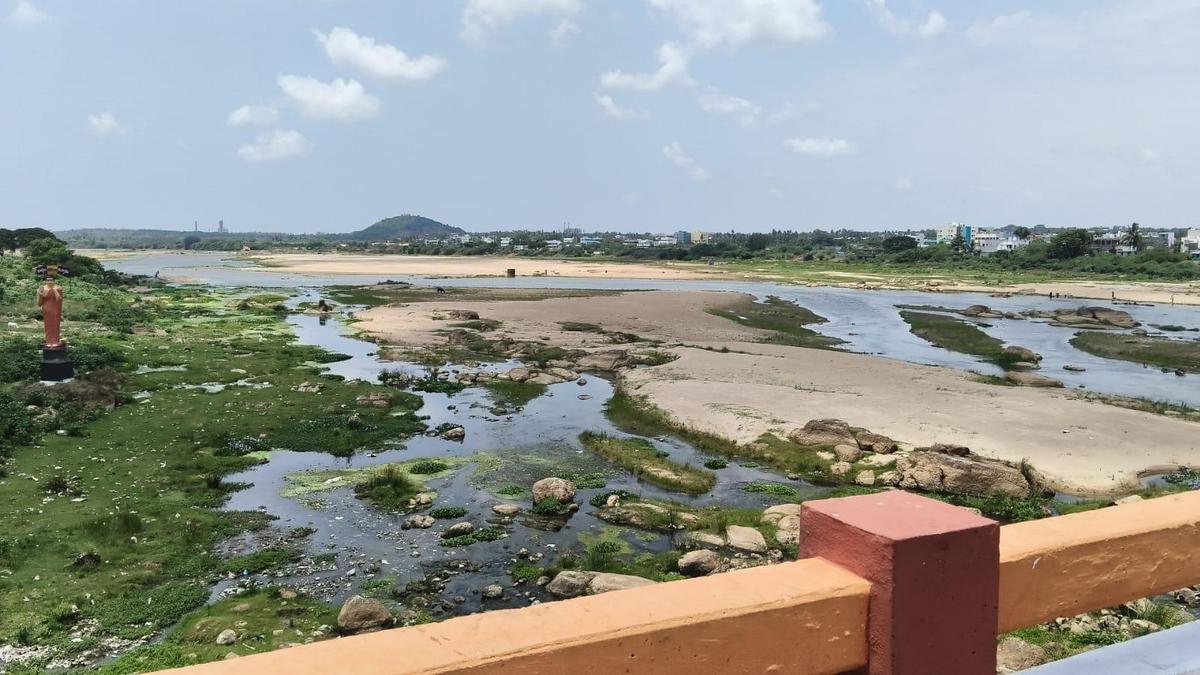
North Andhra Pradesh is facing a severe water crisis due to soaring temperatures, reaching 45°C in some areas, and a prolonged dry spell. Rivers and tanks are rapidly drying up, impacting both agriculture and daily life.
Key rivers like the Nagavali, Vamsadhara, and Champavathi are experiencing significantly reduced water levels, with some stretches becoming completely dry. This is severely affecting irrigation for crops like paddy, sugarcane, and cashew, leading to concerns about potential crop failure and farmer distress. Many farmers are unable to irrigate their fields, and the situation is particularly dire for those reliant on rain-fed agriculture.
Tanks and reservoirs across the region are also dwindling. The Gadadharam reservoir, a crucial water source for Vizianagaram district, is at a critically low level. Similar conditions prevail in other reservoirs, forcing authorities to ration water supply.
The scarcity is impacting drinking water availability. Villages are increasingly dependent on water tankers, and groundwater levels are declining rapidly. Several mandals are experiencing acute water shortages, and the situation is expected to worsen if the current conditions persist.
The Andhra Pradesh government has initiated measures to address the crisis, including deploying water tankers to affected areas and exploring options for alternative water sources. Officials are monitoring the situation closely and assessing the need for additional relief measures.
Meteorological officials attribute the heatwave and dry spell to the lack of rainfall and the influence of prevailing weather patterns. They predict that the situation may not improve significantly in the immediate future. The crisis highlights the vulnerability of the region to climate change and the urgent need for long-term water management strategies. Local communities and authorities are bracing for a challenging summer, with concerns about the potential for further hardship if the monsoon is delayed or insufficient. The drying up of water bodies is also impacting livestock, with reports of animals struggling to find drinking water.