


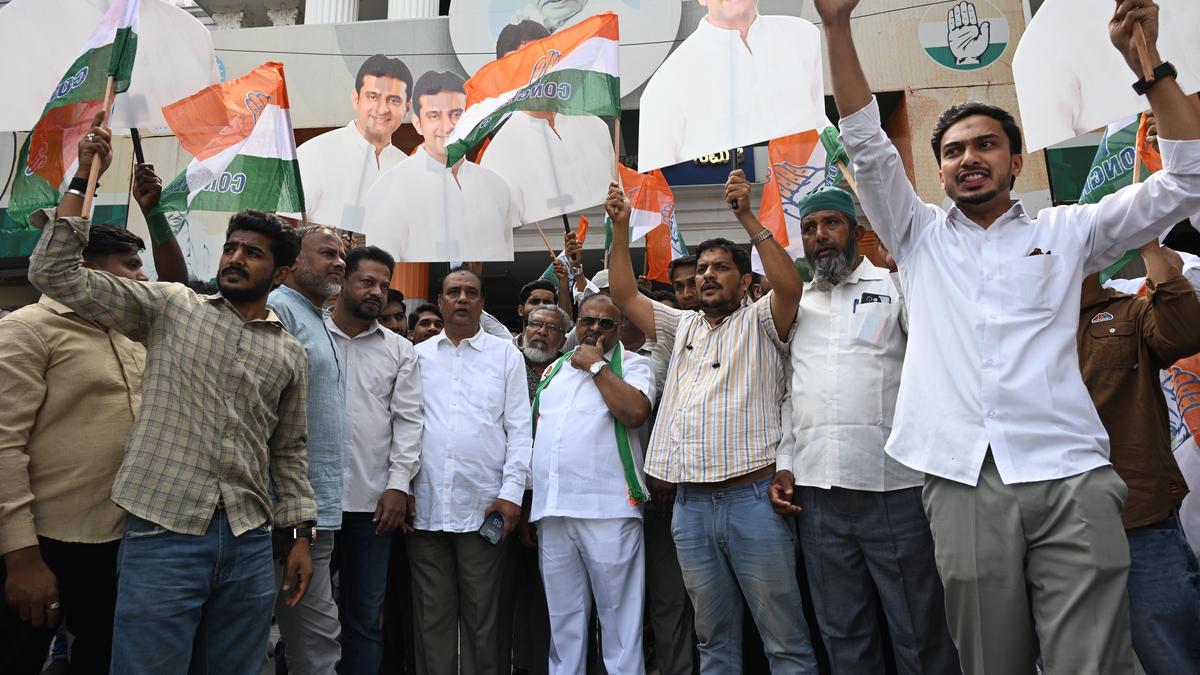
Here’s a summary of the article from the provided URL, focusing on results and key points, within the 300-400 word count, and excluding narration/symbols:
The Karnataka Assembly election results present a complex scenario for the Congress party despite securing a majority with 135 seats. While the party won, the margin wasn’t as decisive as anticipated, and the BJP retained a significant 65 seats, alongside the JD(S) with 19.
Key observations include Congress’s strong performance in the Old Mysore region and a notable increase in its vote share in the Bombay Karnataka and Coastal Karnataka regions, traditionally BJP strongholds. However, the party struggled in several seats in the Bombay Karnataka region, indicating areas for improvement.
The BJP’s ability to maintain a substantial presence, despite being ousted from power, is a critical takeaway. This suggests continued support within certain segments of the electorate and poses a challenge to Congress’s consolidation of power. The JD(S)’s performance, while not significantly altering the overall outcome, remains a factor in regional politics.
Several factors contributed to the results. Anti-incumbency against the BJP government, particularly related to issues of corruption and price rise, played a role. Congress’s focus on social justice, guarantees (like Gruha Lakshmi, Anna Bhagya, and Shakti), and a more aggressive campaign resonated with voters.
However, the article highlights internal challenges for Congress. Managing diverse aspirations within the party, particularly between senior leaders and newly elected MLAs, is crucial. The selection of the Chief Minister and allocation of portfolios will be sensitive issues.
The article points to the need for Congress to address potential dissent and maintain unity to effectively govern. The party must also deliver on its pre-poll promises to sustain public support. Failure to do so could allow the BJP to regain ground in the future.
The election outcome also indicates a potential shift in Karnataka’s political landscape, with a weakening of the dominant Lingayat community’s influence and a rise in the importance of other social groups. This dynamic requires Congress to broaden its appeal and build a more inclusive coalition.