

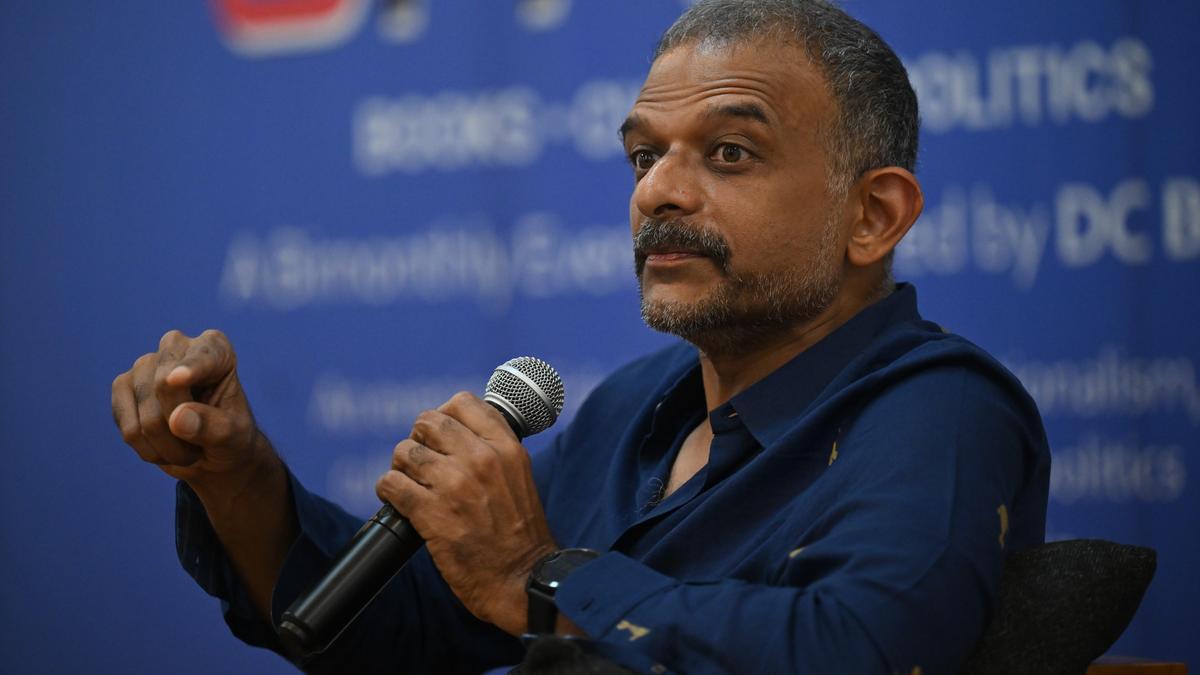
T.M. Krishna, Carnatic musician and activist, delivered a keynote address at the Kerala Literature Festival, emphasizing that genuine participation in democracy extends far beyond simply casting a vote. He argued that voting is a crucial, but insufficient, component of a thriving democracy.
Krishna critiqued the current understanding of democracy as primarily electoral, stating it often overlooks the continuous, everyday engagement required for a truly participatory system. He highlighted the importance of questioning power structures, holding authorities accountable, and actively contributing to public discourse *between* elections.
He pointed to the erosion of public spaces for debate and dissent, and the increasing centralization of power as detrimental to democratic ideals. Krishna expressed concern over the narrowing of perspectives and the suppression of critical voices, particularly those from marginalized communities. He advocated for fostering spaces where diverse opinions can be freely expressed and debated without fear of reprisal.
The musician stressed the need to move beyond a passive role as citizens and embrace active participation in shaping policies and holding the government accountable. This includes engaging with local governance, participating in social movements, and challenging injustices. He also emphasized the significance of art and culture as vital tools for democratic expression and social commentary.
Krishna further argued that a robust democracy requires a citizenry equipped with critical thinking skills and a willingness to engage in constructive dialogue. He called for a re-evaluation of educational systems to prioritize critical thinking and civic engagement over rote learning. He believes that fostering a culture of questioning and debate is essential for safeguarding democratic values.
Ultimately, Krishna’s address was a call to action, urging citizens to move beyond the limitations of electoral politics and embrace a more holistic and engaged form of democratic participation. He advocated for a continuous process of questioning, challenging, and contributing to the shaping of a just and equitable society.