


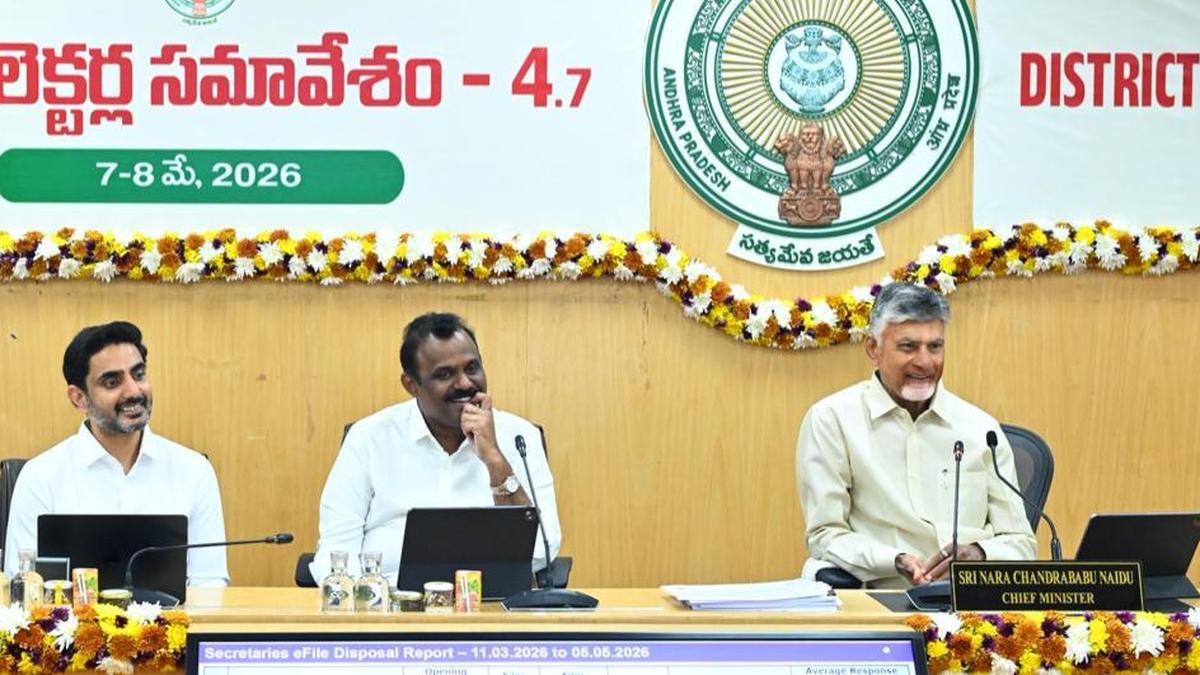
Andhra Pradesh Chief Minister N. Chandrababu Naidu emphasized the need for welfare schemes to demonstrably improve citizens’ financial well-being, moving beyond mere delivery to tangible savings. He addressed officials during a review of the ‘Jagananna Vidya Deevena’ scheme, focusing on its impact on students and their families.
Naidu questioned the effectiveness of schemes if they don’t translate into actual savings for beneficiaries, particularly concerning educational expenses. He directed officials to analyze if the scheme genuinely reduced the financial burden on parents, or if other costs simply absorbed the benefits. He advocated for a system where beneficiaries can visibly see the financial relief provided by the government.
The review focused on streamlining the ‘Vidya Deevena’ scheme, which provides financial assistance for professional courses. Naidu instructed officials to link the scheme with skill development programs to enhance employability. He stressed the importance of ensuring students secure jobs after completing their education, maximizing the return on investment for the scheme.
He also directed a comprehensive review of all existing welfare schemes, aiming to identify overlaps and inefficiencies. The goal is to consolidate schemes and eliminate redundancies, ensuring optimal resource allocation. Naidu proposed exploring direct benefit transfer (DBT) to beneficiaries’ accounts, enhancing transparency and reducing leakages.
Further, he instructed officials to establish a robust monitoring mechanism to track the impact of welfare schemes on beneficiaries’ lives. This includes collecting data on income levels, expenditure patterns, and overall financial stability. He wants regular reports detailing the actual savings realized by beneficiaries.
Naidu highlighted the need for effective communication to raise awareness about the schemes and their benefits. He suggested utilizing various media platforms to reach a wider audience and ensure maximum participation. He also emphasized the importance of addressing grievances promptly and efficiently. The overall aim is to make welfare schemes more impactful and sustainable, contributing to the economic empowerment of citizens.