

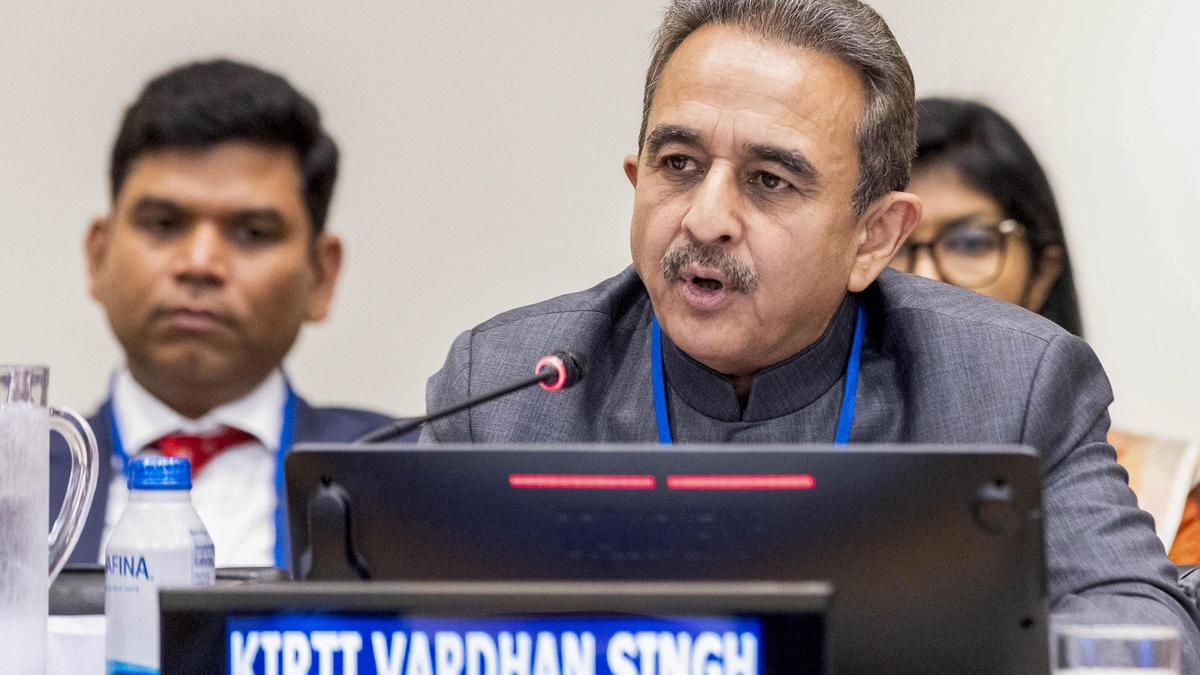
India, at the 78th session of the United Nations General Assembly (UNGA), advocated for a more inclusive approach to international migration and stronger legal frameworks to combat human trafficking. The country emphasized the need to recognize skilled migration as a significant contributor to economic development and called for greater cooperation to facilitate safe, orderly, and regular migration pathways.
India highlighted the vulnerabilities faced by migrant workers, particularly women and girls, and stressed the importance of protecting their rights and ensuring their access to justice. It pushed for the implementation of the Global Compact for Safe, Orderly and Regular Migration, urging member states to prioritize migrant-centric policies.
A key focus of India’s address was the fight against human trafficking. The nation called for enhanced international collaboration to dismantle trafficking networks, strengthen law enforcement, and provide comprehensive support to victims. India shared its own efforts in combating trafficking, including the establishment of a national anti-trafficking hotline and the strengthening of legislation.
India specifically advocated for the criminalization of the recruitment, transportation, transfer, harbouring or receipt of persons, in line with the Palermo Protocol. It also emphasized the need to address the root causes of trafficking, such as poverty, lack of education, and gender inequality.
Furthermore, India proposed a global observatory on human trafficking to collect and analyze data, identify trends, and inform policy responses. The country also offered to share its expertise and best practices with other nations in the fight against this crime. India’s stance reflects a commitment to both promoting the benefits of migration and protecting vulnerable populations from exploitation. The country positioned itself as a leader in advocating for a more humane and effective global migration governance framework.