


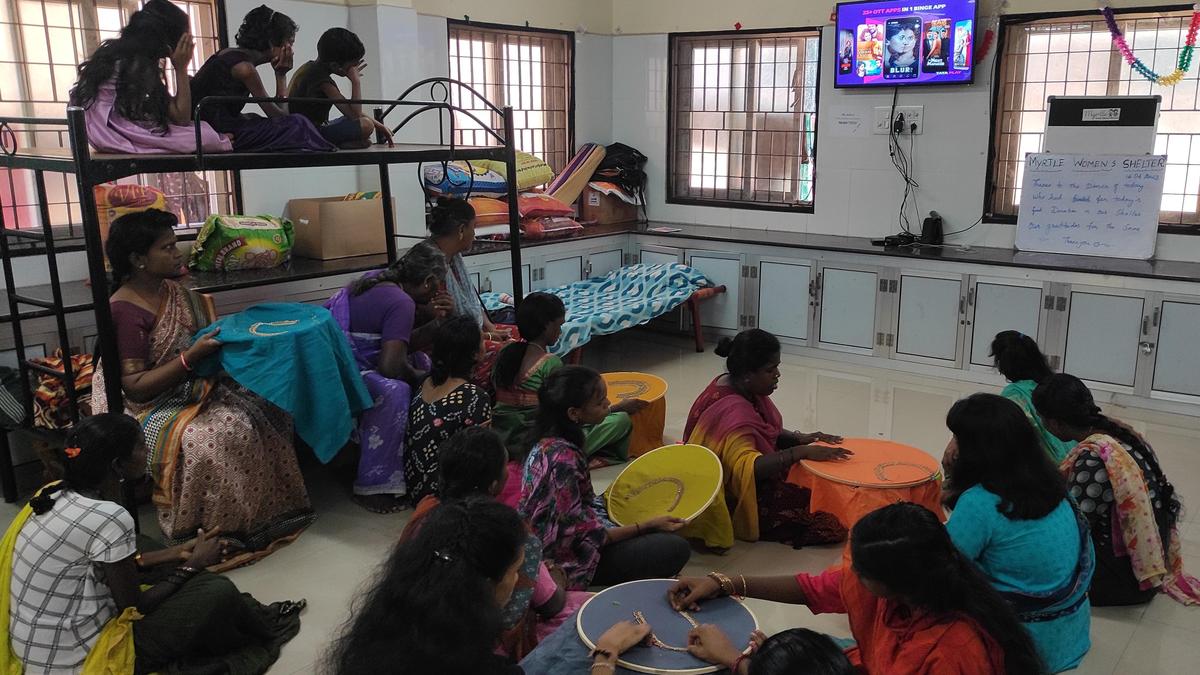
The central government has directed State governments to implement immediate measures to protect shelter home residents from the intensifying heatwave conditions across India. This directive follows reports of heatstroke-related illnesses and deaths, particularly impacting vulnerable populations like the homeless, construction workers, and outdoor laborers.
The Ministry of Housing and Urban Affairs issued an advisory emphasizing proactive steps. These include ensuring adequate potable water supply at all shelter homes, providing oral rehydration solutions (ORS), and establishing cooling arrangements such as fans, evaporative coolers, or air conditioning where feasible. States are also urged to adjust shelter home timings to allow residents to stay indoors during peak heat hours.
Beyond shelter homes, the advisory extends to urban local bodies, requesting them to disseminate information about heatwave preparedness measures to the public. This includes awareness campaigns on recognizing heatstroke symptoms, providing first aid, and seeking medical attention. The ministry recommends utilizing various communication channels like local media, community radio, and public announcements.
States have been asked to identify and map heat-prone areas within cities and towns to strategically locate temporary cooling centers or shelters. Collaboration with NGOs and community-based organizations is encouraged to reach out to vulnerable groups and provide assistance.
The advisory highlights the importance of health check-ups for shelter home residents and ensuring access to healthcare facilities in case of heat-related emergencies. States are also requested to report the measures taken and the status of heatwave preparedness to the central government regularly.
The directive underscores the government’s concern over the rising temperatures and the potential for increased health risks, particularly for those lacking adequate resources to cope with the heat. It emphasizes a multi-pronged approach involving shelter management, public awareness, and healthcare access to mitigate the impact of the heatwave.