

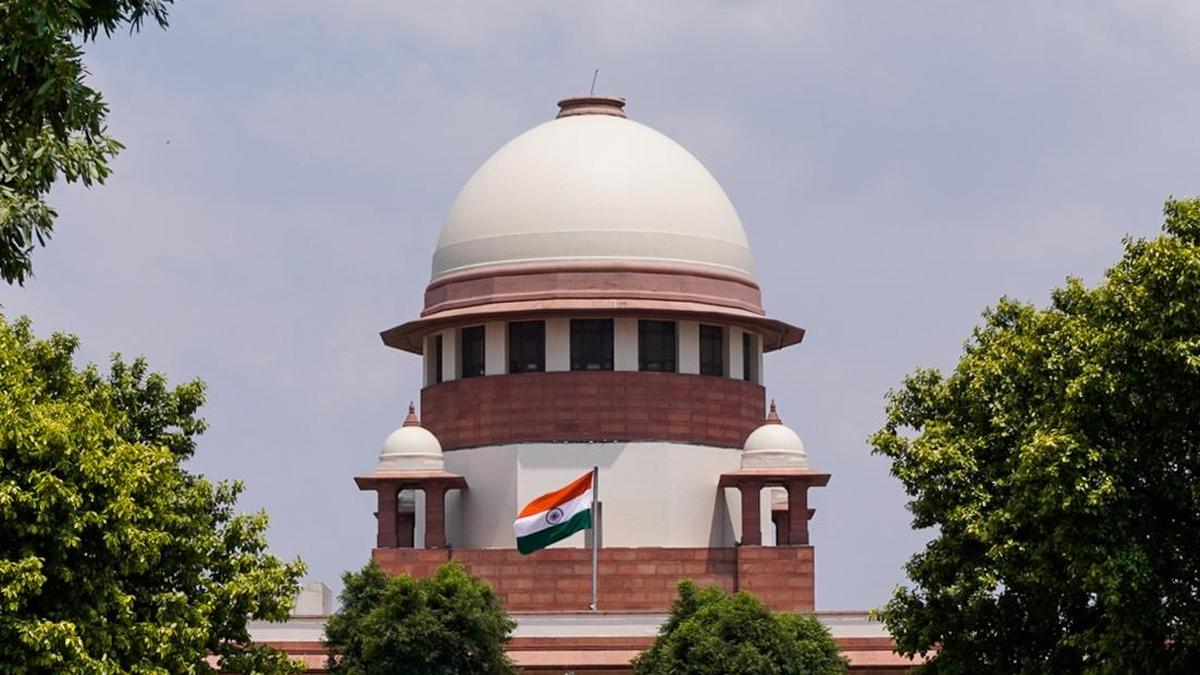
The Supreme Court asserted that any form of caste-based exclusion fundamentally contradicts the core tenets of religion. The court was hearing a case concerning the exclusion of a Dalit man from entering a temple in Tamil Nadu, highlighting the persistence of caste discrimination in religious spaces.
The bench emphasized that devotion and faith are personal matters and cannot be subjected to caste restrictions. It stated that the essence of religion lies in individual connection with the divine, not in social hierarchies. The court referenced historical and constitutional principles, noting that the concept of caste was not intrinsic to Hinduism and developed over time, leading to social injustices.
The judgment referenced previous rulings affirming the constitutional mandate to abolish untouchability and ensure equality for all citizens, irrespective of caste. It underscored that religious practices that violate fundamental rights, such as Article 14 (equality before the law) and Article 21 (right to dignity), are not protected by the right to freedom of religion.
The court specifically addressed the argument that temple traditions justify exclusion, stating that traditions must align with constitutional values. Practices that perpetuate discrimination cannot be considered essential religious practices. The court directed authorities to ensure access to temples for all individuals, regardless of caste.
The ruling reinforces the principle that religious freedom does not extend to practices that violate fundamental rights or perpetuate social inequality. It affirms the constitutional obligation to dismantle caste-based discrimination in all spheres of life, including religious institutions. The court’s decision aims to promote inclusivity and equality within religious spaces, upholding the dignity and rights of all citizens. The case originated from a dispute over access to the Srivilliputhur Andal temple.