


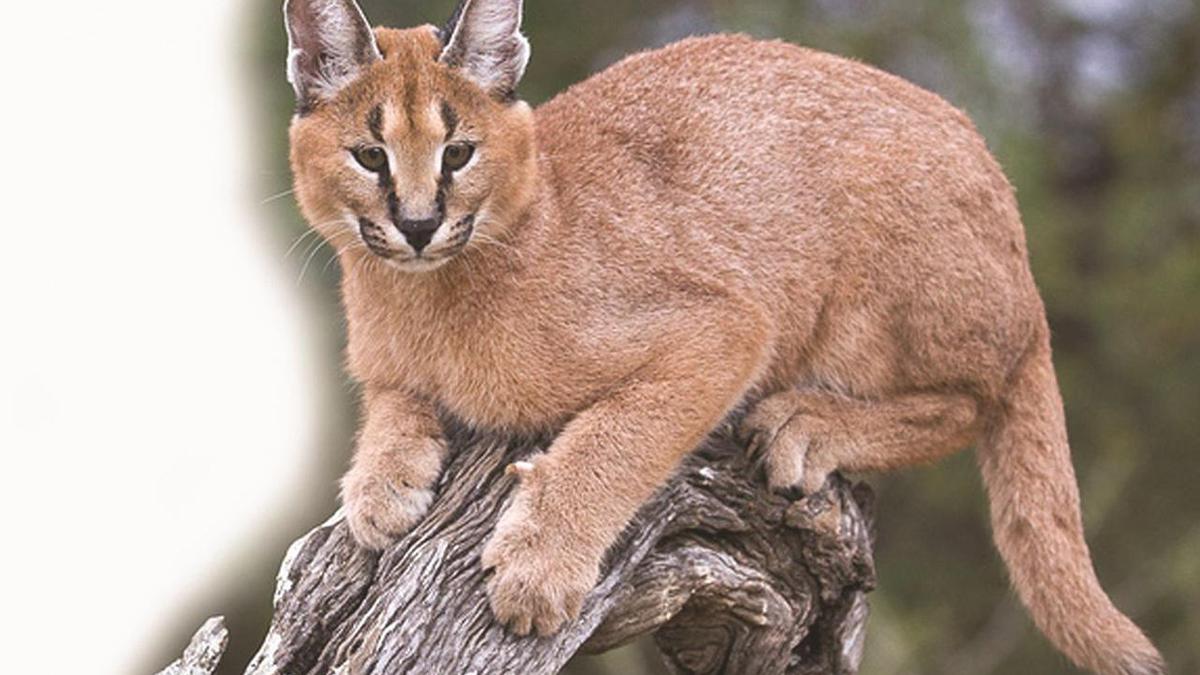
Rare caracals, a medium-sized wild cat, have been documented in the Thar Desert region bordering India and Pakistan, offering a promising sign for the species’ presence in the area. Recent camera trapping efforts by the Rajasthan Forest Department, in collaboration with wildlife NGOs, revealed multiple sightings of these elusive animals in the desert national park and surrounding areas.
Historically, caracals were more widely distributed across India, but their numbers have dwindled due to habitat loss, poaching for their fur, and conflict with humans. They are now primarily found in fragmented populations across Rajasthan, Gujarat, and parts of central India. This recent discovery highlights the Thar Desert as a crucial, though previously underappreciated, habitat for the species.
The camera traps captured images of at least four individual caracals, including a female with two cubs, indicating successful breeding within the region. This is particularly significant as it suggests a viable breeding population exists, offering hope for the long-term survival of caracals in the Thar Desert.
Researchers believe the caracals are thriving in the area due to the relatively undisturbed habitat and the availability of prey species like desert hares, rodents, and birds. The rugged terrain and sparse human population in certain parts of the Thar Desert provide a degree of protection for these shy animals.
The findings underscore the importance of continued conservation efforts, including anti-poaching measures, habitat protection, and community engagement. The Forest Department plans to expand camera trapping efforts to gain a more comprehensive understanding of the caracal population size and distribution in the region. Further research will also focus on assessing potential threats to the caracals and developing strategies to mitigate them. This discovery reinforces the Thar Desert’s ecological significance and the need for its preservation.