


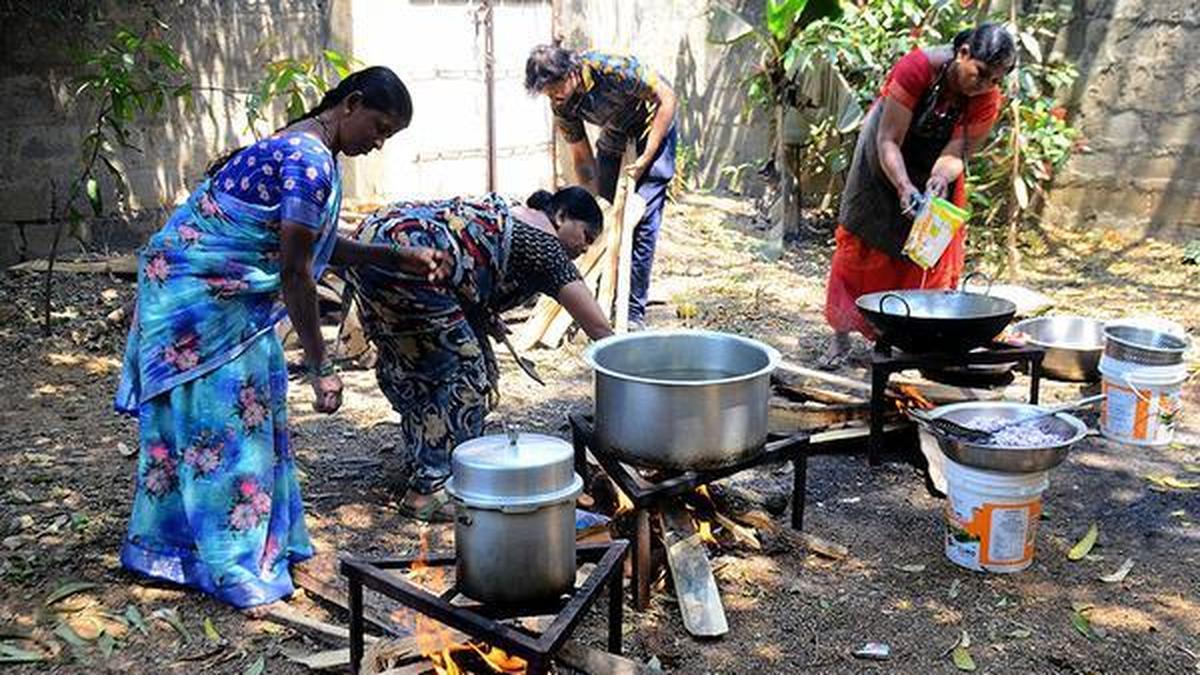
Telangana is experiencing a severe heatwave, disproportionately impacting women, particularly in rural and low-income areas. Rising temperatures are leading to increased health risks for women, especially those involved in outdoor labor like agriculture and construction. Heatstroke, dehydration, and exhaustion are prevalent concerns.
The heat is exacerbating existing inequalities. Women often prioritize family needs over their own, leading to delayed help-seeking behavior for heat-related illnesses. Limited access to cooling mechanisms like fans or air conditioning, coupled with inadequate hydration, further increases their vulnerability. Pregnant women and those with pre-existing conditions face heightened risks.
Nutrition services are significantly disrupted. Anganwadi centers, crucial for providing supplementary nutrition to pregnant women and children, are operating with reduced hours or are temporarily closed due to the heat. This impacts the nutritional intake of vulnerable populations, potentially leading to malnutrition and related health problems. Field-level workers involved in nutrition monitoring and delivery are also facing challenges in conducting their duties effectively.
Daily wage labor for women is declining as they are unable to work during peak heat hours, impacting household income and food security. Increased water scarcity adds to the burden, requiring women to spend more time and effort securing water for their families.
Healthcare facilities are reporting a rise in heat-related cases, straining resources. The demand for ORS (Oral Rehydration Solution) and intravenous fluids has increased.
The report highlights the need for targeted interventions to protect women from the heat, including awareness campaigns on heatstroke prevention, ensuring access to cool drinking water, and providing shade at workplaces. Strengthening nutrition services and ensuring their continuity during the heatwave are also critical. There’s a call for long-term strategies to address climate change and its impact on vulnerable populations, particularly women in rural Telangana. The government is advised to consider early school closures and adjustments to work hours to mitigate the effects of the heat.