


## Assam Poll Verdict: Summary
The article analyzes the outcome of the 2024 Lok Sabha elections in Assam, framing it as a rejection of traditional political dynasties and a victory for the Bharatiya Janata Party (BJP)-led alliance.
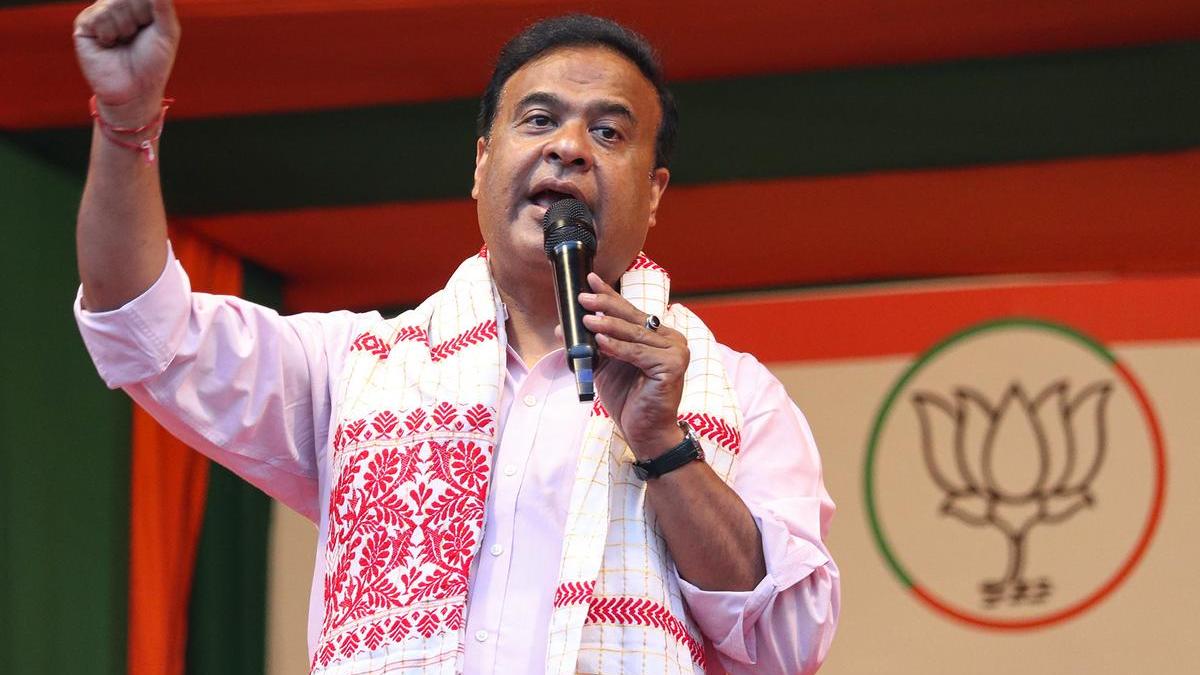
The BJP and its partners—Asom Gana Parishad (AGP) and United People’s Party Liberal (UPPL)—won 11 of the 14 Lok Sabha seats in Assam. This success is attributed to the appeal of Himanta Biswa Sarma, the state’s Chief Minister, and his ability to connect with voters beyond traditional party lines.
The defeat of prominent opposition figures from established political families—Dipu Moni Kalita (Congress) and Hiren Sarania (Asom Jatiya Parishad)—is highlighted as evidence of a shift in voter preference. Voters seemingly favored candidates with a grassroots connection and a focus on development over inherited political status.
The article points to Sarma’s strategic focus on consolidating non-Bengali votes, particularly among communities like the Bodos, Tiwa, and Rabha, as a key factor in the alliance’s victory. The UPPL’s performance, winning one seat, is specifically noted as a result of this strategy.
The Congress’s performance is described as disappointing, failing to capitalize on anti-incumbency sentiments or forge a strong alliance. The article suggests the party’s reliance on traditional strongholds and failure to adapt to the changing political landscape contributed to its losses.
The rise of regional parties like the UPPL is seen as a significant development, indicating a fragmentation of the political space and the increasing importance of community-based politics.
The victory is also linked to the perceived success of the state government’s initiatives in maintaining peace and stability, particularly in areas previously affected by ethnic conflicts. The article suggests voters rewarded the government for improvements in law and order and infrastructure development.
Ultimately, the election result is presented as a mandate for the BJP’s development agenda and a rejection of the “blue-blood politics” of established families, signifying a new era in Assam’s political landscape.