

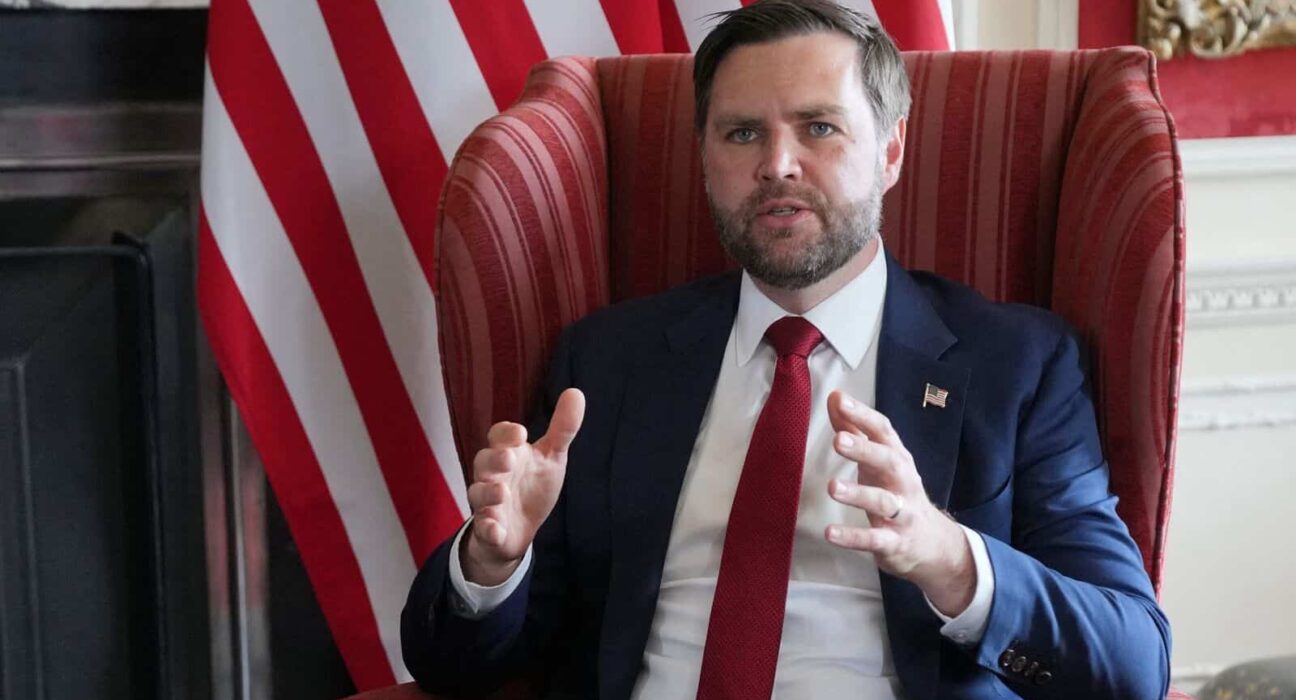
US Senator JD Vance has weighed in on the ongoing Ukraine-Russia conflict, suggesting that any potential peace agreement is likely to leave neither side fully content. In a candid reflection on the geopolitical stalemate, Vance emphasized the pragmatic challenges of brokering a deal that satisfies the starkly opposing demands of Kyiv and Moscow. His remarks underscore the complex reality that compromise, while necessary, could fuel frustration on both ends.
Vance, known for his non-interventionist stance, argued that Ukraine’s insistence on reclaiming all occupied territories, including Crimea, clashes with Russia’s determination to cement its territorial gains. He noted that while Western support for Ukraine remains strong, the protracted nature of the war has led to growing fatigue among some allies, raising questions about the feasibility of an unqualified Ukrainian victory. ‘The harsh truth is that neither side is getting everything they want,’ Vance remarked, framing the conflict as a ‘tragic bargaining process’ with global consequences.
The senator also highlighted the human cost of the war, stressing that civilians in conflict zones continue to bear the brunt of the violence. He cautioned against unrealistic expectations, pointing out that even if a ceasefire is achieved, lingering grievances and unresolved territorial disputes would likely simmer beneath the surface. ‘Peace doesn’t mean happiness—it means an absence of fighting, perhaps temporarily,’ he said, urging policymakers to prioritize practical outcomes over idealistic ambitions.
Meanwhile, Vance’s comments have sparked debate among analysts. Critics argue that pressuring Ukraine into concessions risks legitimizing Russia’s aggression, while others see his pragmatism as a necessary antidote to escalating tensions. The Biden administration, however, has reiterated its commitment to supporting Ukraine’s sovereignty, leaving little room for speculation about immediate shifts in US strategy.
As diplomatic efforts remain gridlocked, Vance’s analysis sheds light on the uneasy path forward. Any negotiated settlement, he suggests, will require uncomfortable trade-offs—territory for security, pride for stability, and immediacy for long-term resolution. For now, the prospect of peace hangs in the balance, tethered to a war neither side can afford to lose but both may struggle to decisively win.