

In a recent discussion with Livemint, analysts from Bank of India Mutual Fund (BOI MF) shed light on critical factors shaping India’s economic trajectory, including the implications of US tariffs, fluctuating foreign and domestic investments, and the Reserve Bank of India’s (RBI) strategic maneuvers. The conversation emphasized how global trade dynamics, energy sector developments, and inflation management are influencing market sentiment and growth prospects.
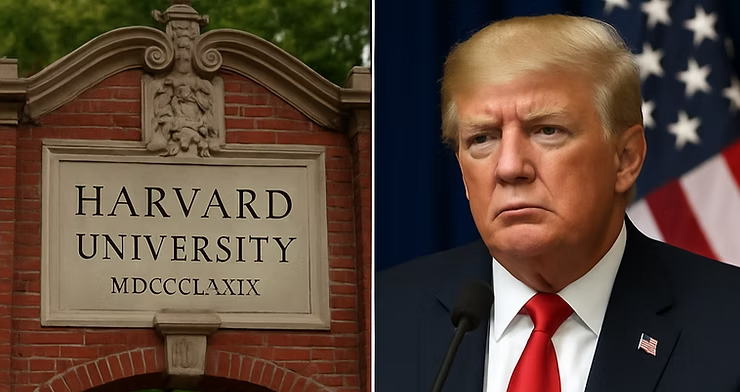
The potential reintroduction of US tariffs on Indian exports has raised concerns among investors, particularly in sectors like engineering goods and textiles. BOI MF experts noted that while higher tariffs could dent export earnings, diversified trade partnerships and a weaker rupee might cushion the blow. They also highlighted the need for Indian manufacturers to innovate and explore new markets to mitigate risks linked to geopolitical uncertainties.
Turning to capital markets, the analysis revealed a delicate balance between foreign institutional investor (FII) withdrawals and robust domestic institutional investor (DII) inflows. DIIs, backed by rising retail participation, have played a stabilizing role amid global volatility. Equity inflows into sectors like renewable energy and infrastructure reflect growing confidence in India’s decarbonization goals and public-private capex initiatives. However, experts cautioned against overvaluation in certain segments, urging investors to focus on long-term fundamentals.
On the macroeconomic front, the RBI’s inflation-targeting approach took center stage. While recent consumer price index (CPI) moderation offers relief, monsoon variability and energy price fluctuations remain key risks. The central bank’s measured approach to liquidity management and interest rates aims to support growth without stoking inflationary pressures—a move lauded by BOI MF as pragmatic in an election year.
The discussion also touched on retail banking trends, where improved asset quality and digital adoption are driving profitability. Though non-performing assets (NPAs) in retail loans have inched up marginally, systemic safeguards and stricter underwriting norms have prevented larger stress. Analysts underscored the importance of maintaining this balance as lenders expand their retail portfolios.
Finally, the experts expressed optimism about India’s capex revival, fueled by government spending on infrastructure and a resurgence in private sector investments. Sectors like semiconductors, EVs, and green hydrogen are seen as pivotal for sustaining economic momentum. As global headwinds persist, BOI MF’s outlook hinges on policy continuity, sector-specific reforms, and agile monetary strategies to navigate the road ahead.