

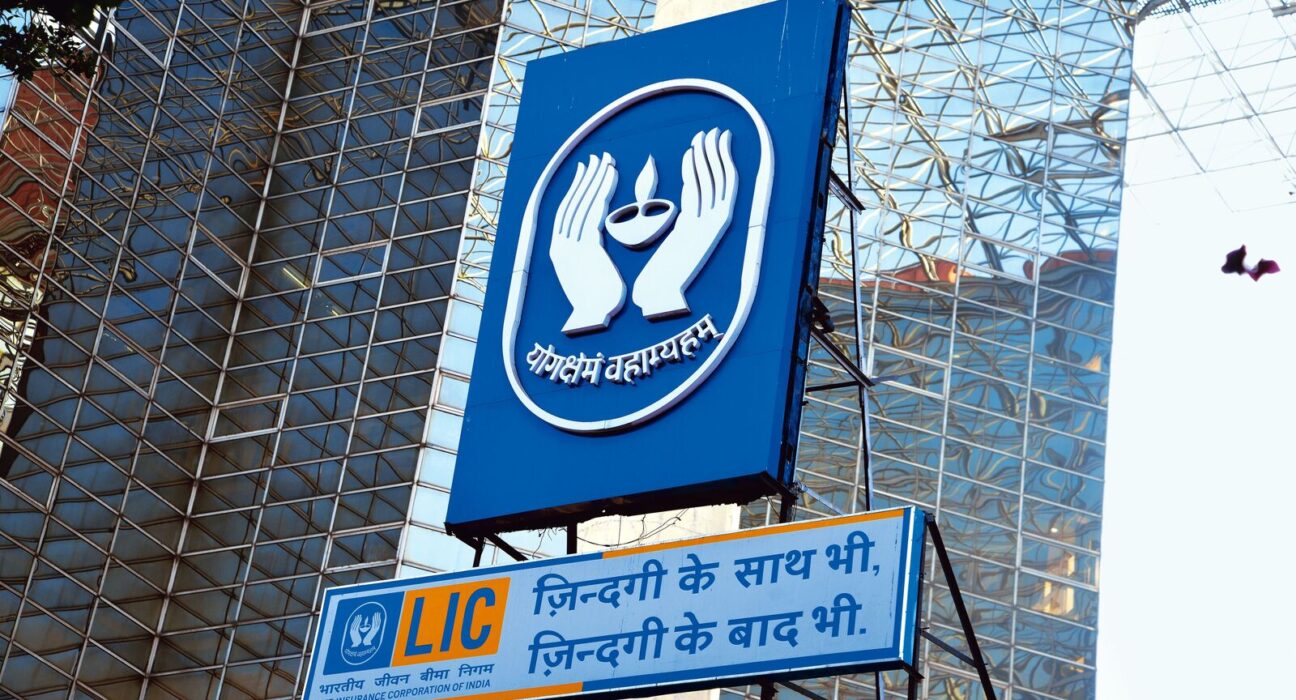
Investors are showing robust interest in the Indian government’s proposed divestment plans for Life Insurance Corporation (LIC) and select public sector banks (PSBs), with the State Bank of India (SBI) emerging as a prime candidate. The Centre’s strategy to reduce its stake in state-owned lenders aligns with broader economic reforms, but market appetite appears concentrated on stronger entities like SBI, leaving smaller banks grappling with muted enthusiasm.
Analysts from global financial institutions, including BNP Paribas and Goldman Sachs, highlight SBI’s established market presence and improved asset quality as key drivers of investor confidence. The bank’s dominance in India’s retail and corporate lending segments, coupled with its digital transformation efforts, positions it as a safer bet compared to smaller peers like Indian Overseas Bank (IOB) and UCO Bank, which continue to face challenges related to non-performing assets (NPAs) and governance concerns.
Domestic brokerage IIFL Securities notes that while the government aims to accelerate divestments to meet fiscal targets, execution hinges on realistic valuations and market conditions. “Investors are increasingly selective,” noted one analyst. “SBI’s scale and turnaround story make it attractive, but smaller PSBs may struggle to garner attention unless pricing is aggressive.” The government’s 7.1% stake sale in SBI in January 2024, which raised over ₹9,000 crore, underscores this trend.
However, the path ahead for PSB divestments isn’t without hurdles. Lingering skepticism about governance frameworks and uneven profitability in the sector has led to caution among foreign investors. Meanwhile, the upcoming LIC IPO, expected to be India’s largest, is being closely watched for pricing cues. Analysts suggest that aligning valuation expectations with market realities will be critical to avoid setbacks similar to the 2022 LIC listing, which faced investor pushback over pricing.
Despite these challenges, experts argue that divestments remain a vital tool for unlocking capital and improving operational efficiency in state-owned entities. The government’s phased approach—prioritizing larger banks first—could serve as a litmus test for future sales. “Success with SBI could rebuild confidence in the broader PSB universe,” said a Mumbai-based fund manager. “But it requires transparent communication and patience to align stakeholder interests.”
As policymakers navigate these complexities, the focus remains on balancing fiscal priorities with investor expectations, ensuring that India’s banking sector reforms stay on course amid global economic headwinds.