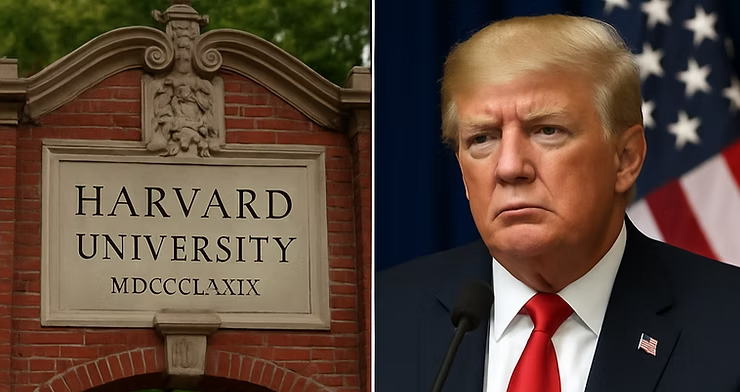


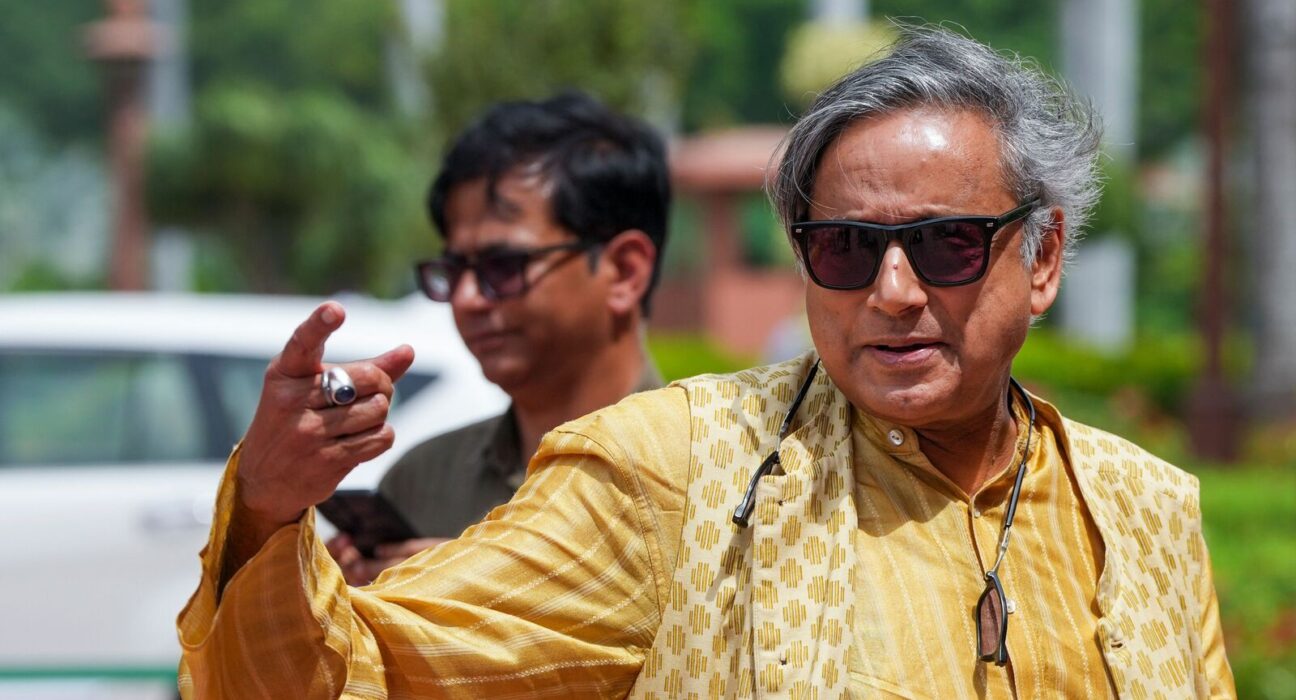
The Indian government is set to brief a parliamentary committee, chaired by Congress leader Shashi Tharoor, on the latest developments in India-US trade discussions and the lingering impacts of tariffs imposed during Donald Trump’s presidency. The meeting, slated for today, aims to provide lawmakers with critical insights into ongoing bilateral negotiations and unresolved trade barriers affecting key sectors.
Officials from the Commerce Ministry and other relevant departments will outline India’s stance on current trade negotiations, including efforts to resolve disputes linked to the Trump-era tariffs that continue to disrupt export-import dynamics. The panel, which includes members from various political parties, is expected to seek clarity on India’s strategy to protect domestic interests while addressing US concerns over market access and intellectual property rights.
The discussions will also focus on recent dialogues under the Indo-US Trade Policy Forum (TPF), a platform revitalized in 2021 to tackle long-standing trade issues. Of particular interest are India’s retaliatory tariffs on American products like almonds, apples, and motorcycles, which were imposed in response to Trump’s 2018 levies on steel and aluminum. These measures remain a sticking point, affecting billions in bilateral trade.
Additionally, the committee is likely to explore India’s approach to emerging areas of collaboration, such as semiconductor partnerships and supply chain resilience. With both nations seeking to reduce dependency on China, the talks could pave the way for stronger economic ties. However, challenges persist, including differences over digital trade regulations and agricultural subsidies.
The briefing comes amid growing pressure from Indian industries to secure favorable terms in sectors like pharmaceuticals, textiles, and information technology. Lawmakers are expected to emphasize the need for transparency in negotiations, ensuring that domestic stakeholders are not sidelined in pursuit of broader geopolitical objectives.
As the government balances economic priorities with diplomatic imperatives, today’s session underscores the delicate interplay between protecting local markets and fostering global partnerships. The outcome of these discussions could shape India’s trade policy trajectory for years to come.