

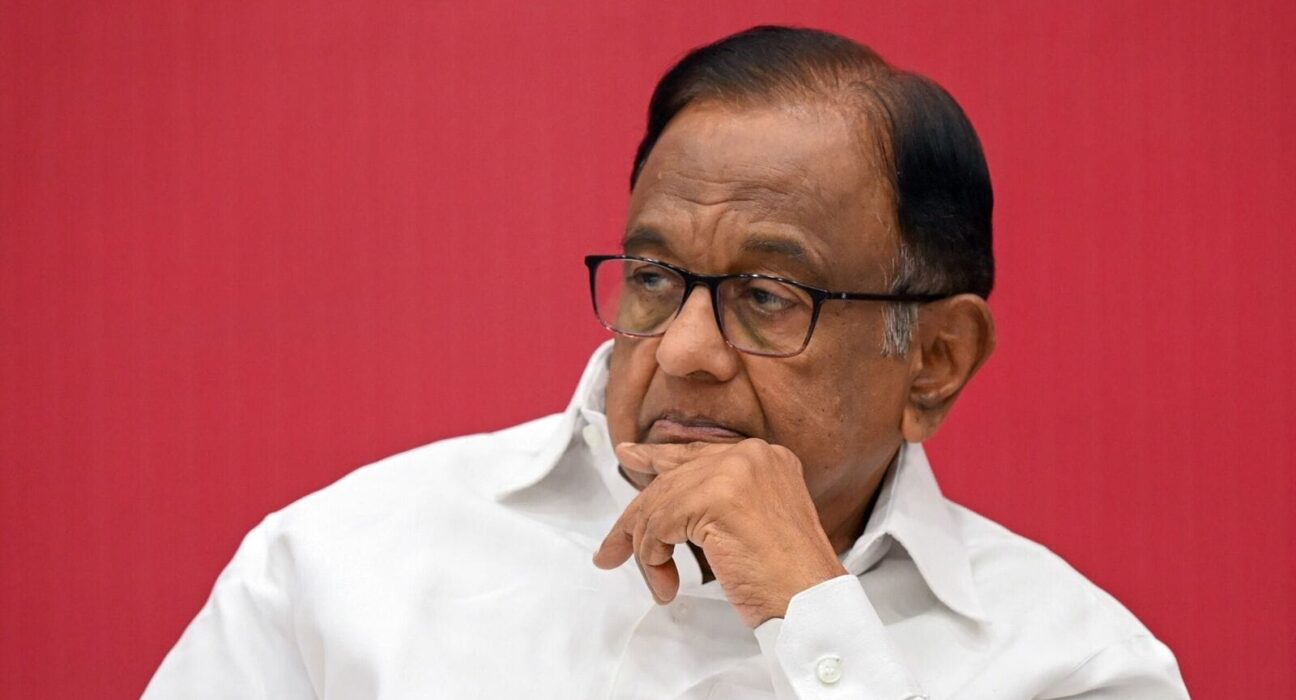
Senior Congress leader P. Chidambaram has launched a sharp critique against the Election Commission of India (ECI), accusing the body of ‘acting like a court’ while addressing complaints related to Rahul Gandhi’s recent remarks about ‘vote theft.’ The former Union Minister argued that the ECI has overstepped its constitutional mandate by adopting a quasi-judicial approach instead of impartially addressing grievances during the heated Lok Sabha election campaign.
Chidambaram’s remarks came after the Commission issued notices to both the Congress and BJP over alleged violations of the Model Code of Conduct, including Gandhi’s ‘vote chor’ (vote thief) comments targeting Prime Minister Narendra Modi. The Congress leader questioned why the poll watchdog had not taken swifter action against BJP leaders for inflammatory speeches while focusing intently on Gandhi’s criticism. ‘The ECI’s job is to ensure fair play, not to parse speeches like a courtroom,’ he stated.
The controversy stems from Rahul Gandhi’s repeated assertions that the BJP-led government has ‘stolen’ public votes through policies favoring industrialists and crony capitalists. While the ECI warned political parties to avoid ‘unverified allegations,’ Chidambaram argued that the Commission’s approach reflects bias. ‘By demanding proof for political rhetoric, they are encroaching into territories beyond their jurisdiction,’ he said, emphasizing that voters—not institutions—should be the ultimate arbiters of campaign claims.
Critics have pointed out that the ECI’s recent conduct marks a departure from its traditionally neutral stance. Political analysts suggest the body appears overly cautious in addressing complaints against ruling party leaders, potentially undermining public trust. Chidambaram highlighted delayed responses to opposition petitions, including alleged hate speeches by BJP members, contrasting this with the urgency shown in probing Gandhi’s remarks.
The Congress party has rallied behind its leader, framing the ECI’s actions as part of a broader pattern of institutional erosion. ‘When constitutional bodies mimic judicial processes, it creates a chilling effect on legitimate political discourse,’ said Congress spokesperson Supriya Shrinate. Meanwhile, BJP representatives have dismissed the allegations, accusing the opposition of defaming institutions to deflect from their electoral setbacks.
Legal experts remain divided on the ECI’s authority to adjudicate campaign rhetoric. While some argue the Commission must prevent misinformation, others warn against conflating ethical oversight with censorship. As elections enter their final phases, the debate underscores growing tensions between democratic expression and regulatory overreach in India’s increasingly polarized political landscape.