

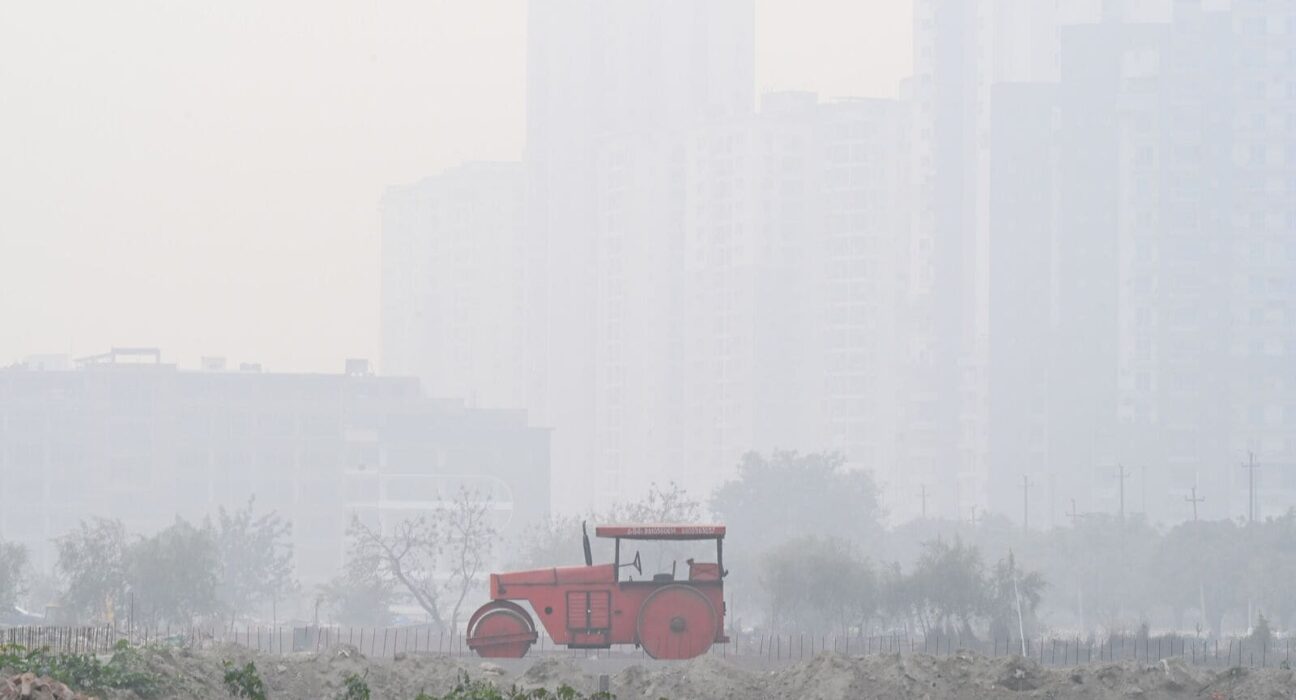
A South Korean tourist’s recent online search about India sparked widespread social media discussion after they encountered predominantly negative imagery. When attempting to gather travel information through Google, the tourist reportedly found India depicted through unflattering photographs showing extreme pollution, chaotic urban environments, and impoverished living conditions. Many images appeared hazy or deliberately highlighted squalor rather than showcasing the country’s cultural landmarks or natural beauty.
This incident went viral after the tourist shared their experience on social media, prompting Indian netizens to express dismay about how their nation is represented online. Numerous commenters accused Western companies—particularly stock photography platforms—of systematically selecting and promoting degrading images of India while ignoring positive or balanced depictions. Critics argued this imagery perpetuates harmful stereotypes and creates economic advantages for content distributors who profit from sensationalized visuals.
The discourse expanded to examine how global tech algorithms might reinforce biased perspectives through selective content prioritization. Many users noted that searches for Western destinations typically yield picturesque landscapes and modern infrastructure, while queries about developing nations frequently surface images emphasizing poverty and disorder. This divergence, participants claimed, influences tourism decisions and international perceptions.
Corporate accountability became a central theme in these online exchanges. Commentators questioned whether Western media companies bear ethical responsibility for their editorial choices regarding imagery from Global South countries. Some suggested local photographers might be complicit by producing content tailored to fulfill foreign expectations of ‘exotic deprivation’ that garner higher commercial demand.
As the conversation trended, users contrasted India’s technological advancements and economic growth with the archaic stereotypes prevalent in search results. They highlighted modern infrastructure projects, IT hubs, UNESCO heritage sites, and natural wonders that rarely appeared in the tourist’s initial findings. Several commenters shared alternative photo collections demonstrating India’s diversity beyond slum depictions.
The incident underscored broader concerns about digital representation and cultural sovereignty in the internet age. Participants emphasized that negative imagery not only distorts reality but also impacts foreign investment, diplomatic relations, and national self-perception. Calls emerged for Indian content creators and tourism authorities to actively counterbalance prevailing narratives through strategic digital campaigns.
While acknowledging India’s genuine challenges with pollution and urban planning, most discussants maintained that selective visual representation constitutes a form of soft-power manipulation. The viral episode ultimately revealed deepening public sensitivity about how emerging economies are portrayed through dominant Western digital platforms, with many users demanding more equitable algorithmic curation and diversified visual storytelling.