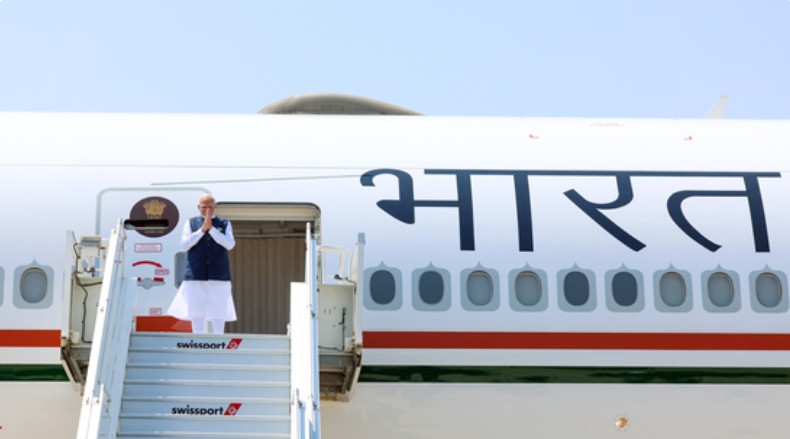


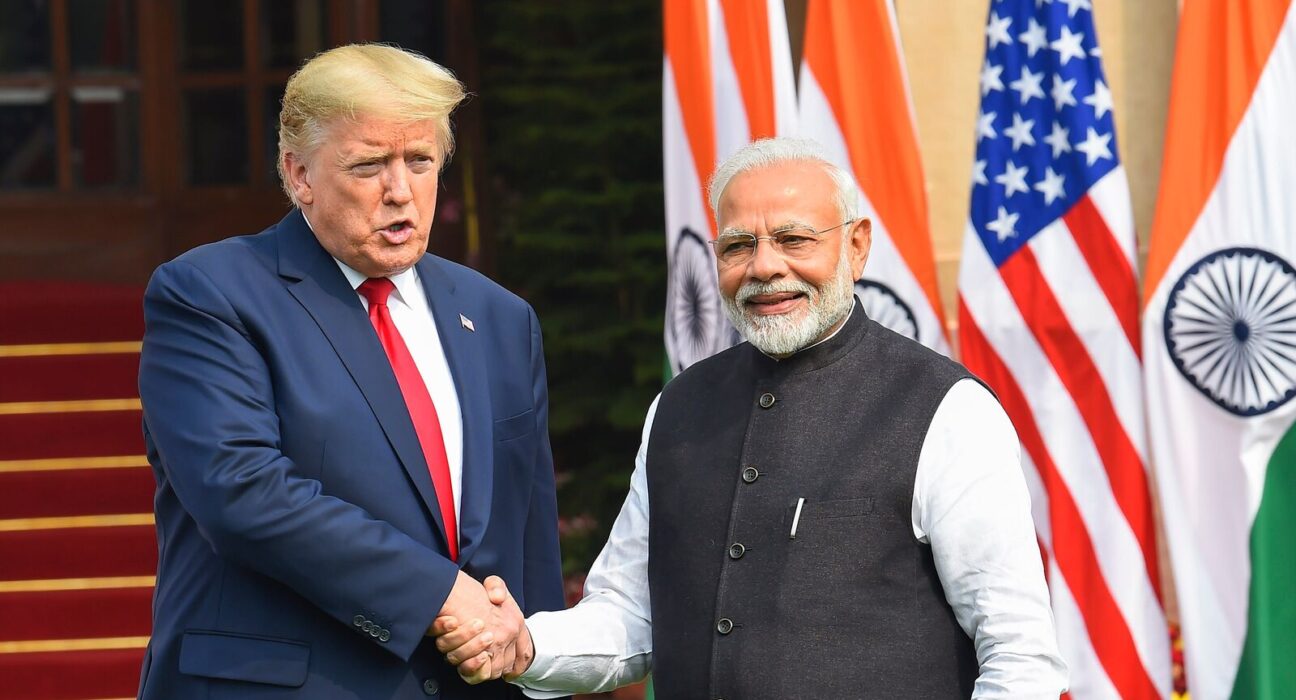
India faces a critical seven-day window to negotiate a trade deal with the United States before President Donald Trump’s August 7 deadline to reconsider tariffs on Indian goods. The temporary suspension of tariffs announced in June 2019 provided breathing room, but failure to reach an agreement could trigger new duties on $5.6 billion of Indian exports, including textiles, engineering goods, and agricultural products. This development comes amid escalating trade tensions between the two nations following India’s retaliatory tariffs on 28 U.S. products in June 2019 after the termination of its GSP (Generalized System of Preferences) beneficiary status.
Key sticking points in negotiations include U.S. demands for greater market access for dairy, poultry, and medical devices, while India seeks restoration of GSP benefits and relaxation of agricultural non-tariff barriers. Both countries have exchanged multiple draft proposals since February 2020, but compromises on sensitive sectors remain challenging. The Trump administration has pressured India to reduce its $24 billion trade surplus with America through increased energy and aircraft purchases.
Diplomatic sources indicate New Delhi is considering concessions on information technology tariffs and price caps for medical devices like stents and knee implants—a major U.S. concern. However, resistance from domestic industries complicates these concessions. Agricultural market access poses another hurdle, as India maintains strict controls due to food security concerns and farmer welfare considerations.
The impending November U.S. presidential election introduces political urgency, with the Trump administration keen to showcase tangible economic achievements. For India, resolving the dispute becomes crucial to avert economic strain during its COVID-19 recovery phase. Experts suggest a limited interim agreement focusing on less contentious areas might emerge before August 7, leaving more complex issues for future discussions. Failure to reach any accord could escalate tensions and potentially affect broader strategic relations between the two nations.