

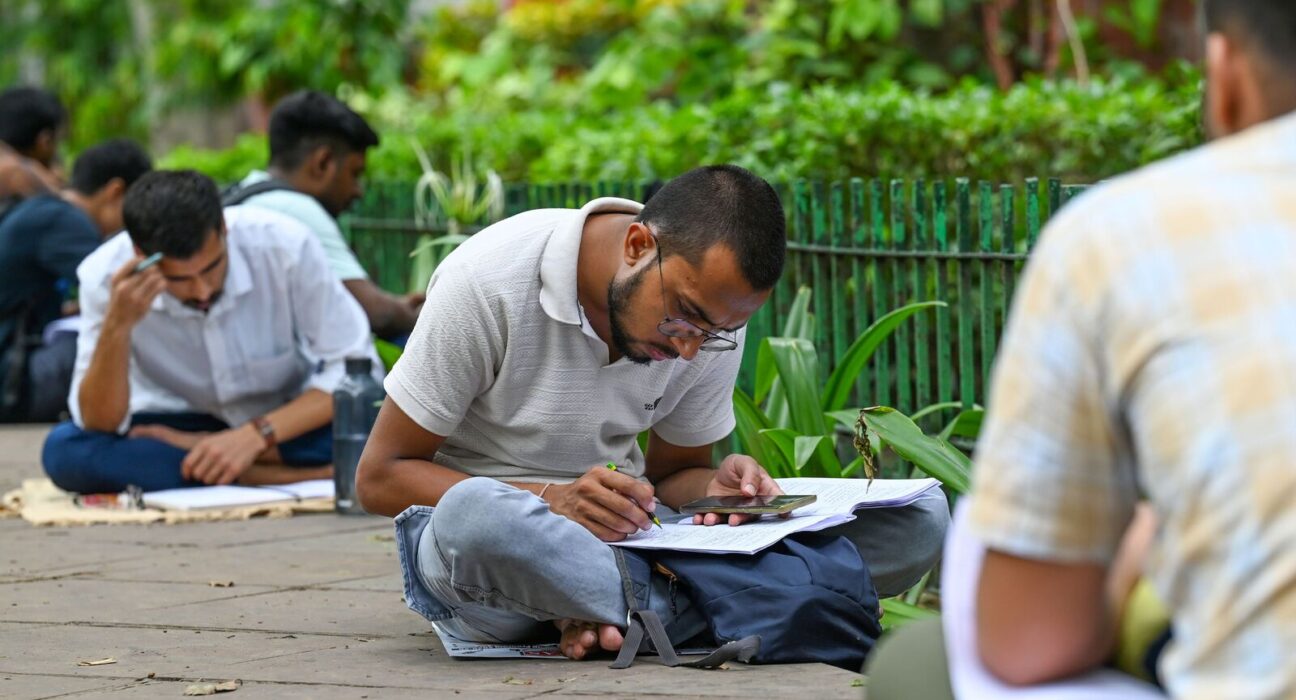
The article discusses the intense societal pressure surrounding UPSC Civil Services Examination aspirants in Uttar Pradesh and Bihar, where failure often leads to severe social consequences. Candidates who don’t succeed in becoming civil servants frequently become ‘invisible’ within their communities, facing exclusion from social gatherings and traditional ceremonies like marriages. This cultural phenomenon stems from the exam’s disproportionate prestige in these regions, where clearing UPSC is perceived as the ultimate marker of success and family honor.
Many aspirants dedicate years to preparation, often sacrificing career opportunities and personal relationships. Failure triggers not just personal disappointment but profound community rejection, with families sometimes banishing unsuccessful candidates to avoid societal embarrassment. Women aspirants reportedly face additional gender-based challenges, including pressure to abandon their dreams for marriage.
The piece highlights how this pressure creates mental health crises among aspirants, with depression and anxiety being common. Despite recent efforts to broaden career acceptance in these states, civil service positions remain the gold standard of social validation. The article calls for societal reform in recognizing diverse career paths and reducing the toxic obsession with UPSC as the singular measure of an individual’s worth and potential.