

## Summary of The Hindu Article: Tree Felling Proposal in Karnataka Sparks Backlash
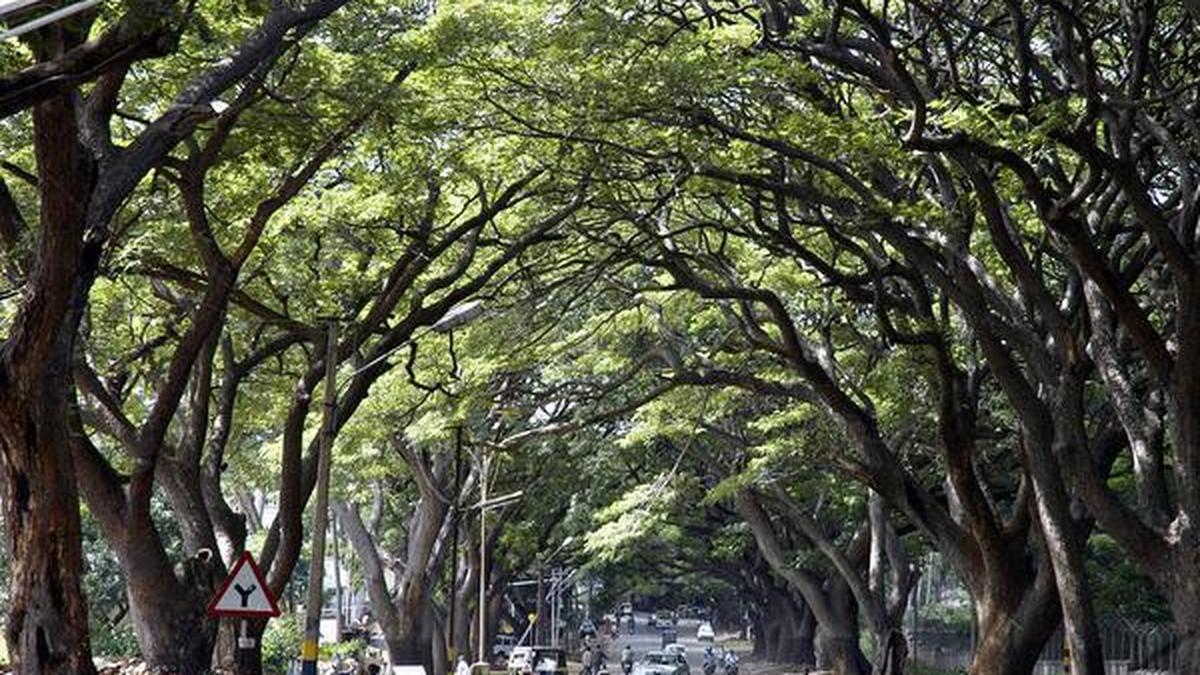
A proposal by the Karnataka Forest Department to fell over 2,300 trees in the Bannerghatta North division to facilitate the widening of the Bengaluru-Malavalli State Highway has triggered widespread public opposition, resulting in over 2,300 objections filed. The project aims to convert the existing two-lane road into a four-lane highway, impacting approximately 11.8 km of forest land.
The objections stem from concerns regarding the ecological impact, including habitat loss for wildlife like elephants, leopards, and various bird species. Activists and citizens groups argue the felling will fragment the forest, disrupt wildlife corridors, and contribute to increased human-animal conflict. They also question the necessity of widening the road, suggesting alternative routes or improved public transportation could alleviate traffic congestion.
The Forest Department maintains the tree felling is unavoidable for infrastructure development and claims compensatory afforestation will be undertaken. They state the project is crucial for improving connectivity and boosting economic activity in the region. However, critics argue compensatory afforestation cannot fully replace the ecological value of a mature forest.
The objections highlight the lack of transparency in the decision-making process and the insufficient consideration given to environmental concerns. Many objectors point to the potential impact on the Bannerghatta National Park, located nearby, and the overall biodiversity of the region.
The sheer volume of objections—over 2,300—is unprecedented for a forest clearance proposal in Karnataka, demonstrating significant public concern. The Forest Department is currently reviewing the objections and will submit a report to the government. A final decision on the project is pending, with the possibility of modifications or cancellation based on the review. The case underscores the growing tension between development and environmental conservation in the state. Concerns have also been raised about the accuracy of the tree count and the potential underestimation of the ecological damage.