

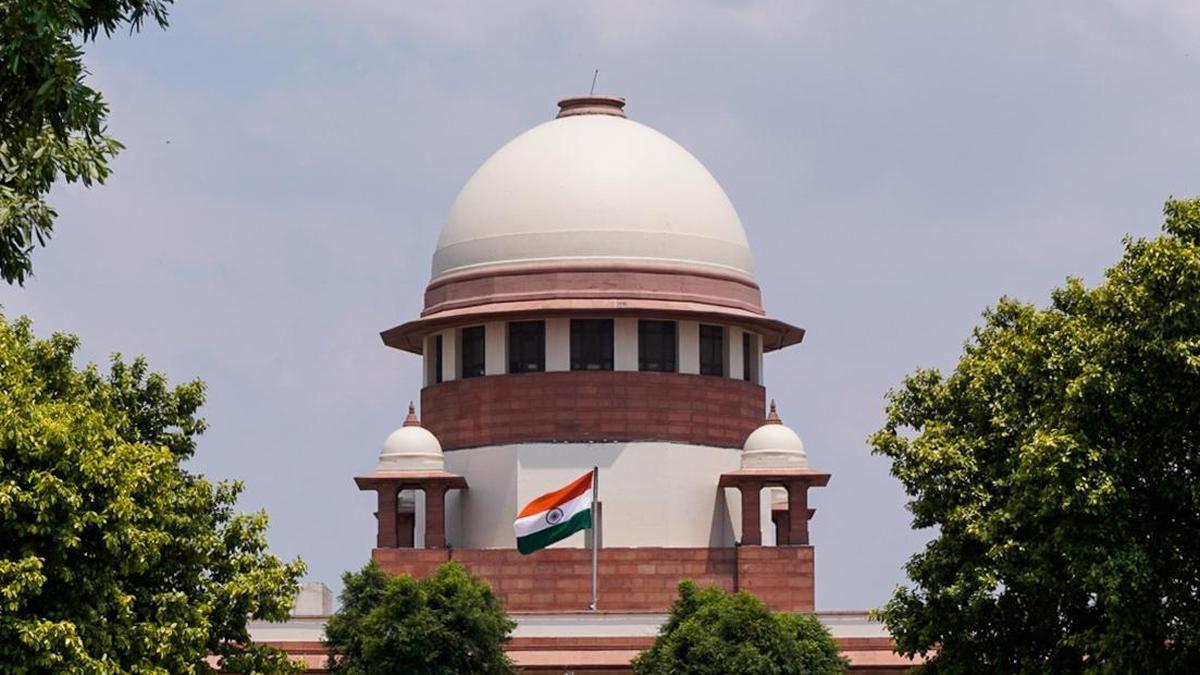
The Supreme Court is directly overseeing the Lakhimpur Kheri violence case, involving the death of farmers during a protest in October 2021. The court has expressed dissatisfaction with the slow pace of the trial and the lack of a dedicated Special Investigation Team (SIT) initially.
Justice Surya Kant highlighted concerns about witnesses being influenced and potentially turning hostile. The court appointed a retired High Court judge, Justice Rakesh Jain, to monitor the investigation and ensure fairness and transparency. Justice Jain submits reports directly to the Supreme Court.
The case involves allegations against Union Minister Ajay Mishra Teni’s son, Ashish Mishra, and others, accused of running over protesting farmers. Initially, the Uttar Pradesh government formed its own SIT, but the Supreme Court intervened, reconstituting it with officers from outside the state to ensure impartiality.
The court has been consistently monitoring the progress of the trial, directing the state government to provide adequate security to witnesses and ensure their statements are recorded promptly. Several witnesses have indeed turned hostile, raising concerns about potential coercion or intimidation.
The Supreme Court has repeatedly emphasized the need for a speedy trial, recognizing the importance of justice for the victims and maintaining public trust in the legal system. It has also directed the state to explain the reasons for the delays and the steps taken to protect witnesses.
Recently, the court expressed strong displeasure over the slow examination of witnesses and the lack of progress despite repeated directions. It warned the state government of strict action if the trial continues to be delayed. The court is now focusing on ensuring the remaining witnesses are examined efficiently and the case is brought to a logical conclusion without further delay. The next date for hearing is set for February 15th, where the state will need to provide a detailed timeline for completing the trial.