


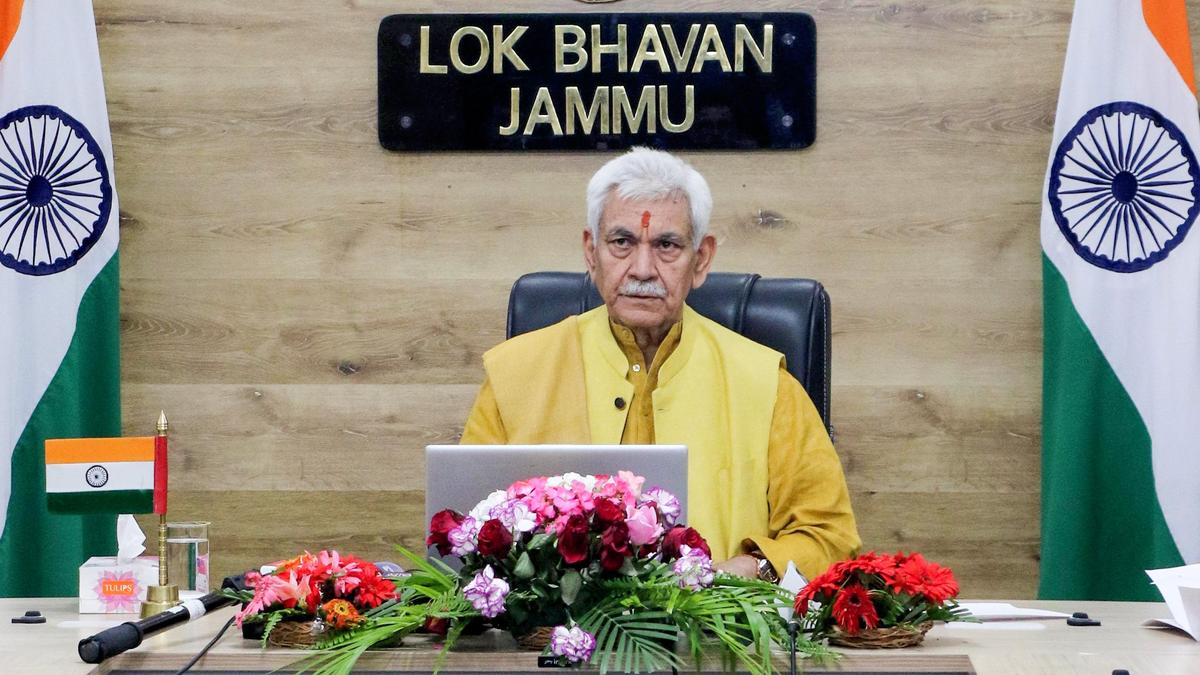
Jammu and Kashmir’s Lieutenant Governor (LG) has been granted extensive powers over telecommunications, including the ability to intercept, monitor, and block communications during declared “public safety events.” A recent government order empowers the LG to authorize temporary suspension of telecom services – voice, SMS, and internet – within any area of the Union Territory.
Previously, such powers rested with the Home Department. The order cites the potential for disruptions to public order and national security as justification, particularly during events deemed to pose a threat. This includes the ability to direct telecom operators to identify individuals based on mobile phone locations.
The order specifies that the LG’s decision must be based on a reasoned order and cannot exceed the minimum necessary duration. However, critics express concern over the broad scope of the powers and the potential for misuse, citing a lack of independent oversight. They argue this could stifle freedom of expression and access to information.
The move follows a pattern of increased central control over J&K since the revocation of Article 370 in 2019. Previous restrictions on internet and mobile services have been widely criticized by human rights organizations and political parties.
The order details procedures for implementing these powers, including the designation of a nodal officer within the telecom department to coordinate with operators. It also outlines provisions for reviewing the necessity of continued restrictions.
While the government maintains these measures are essential for maintaining peace and security, concerns remain regarding their impact on fundamental rights and democratic processes. The order emphasizes the need to balance security concerns with the protection of civil liberties. The justification provided centers on preventing the spread of misinformation and maintaining public order during sensitive periods.