


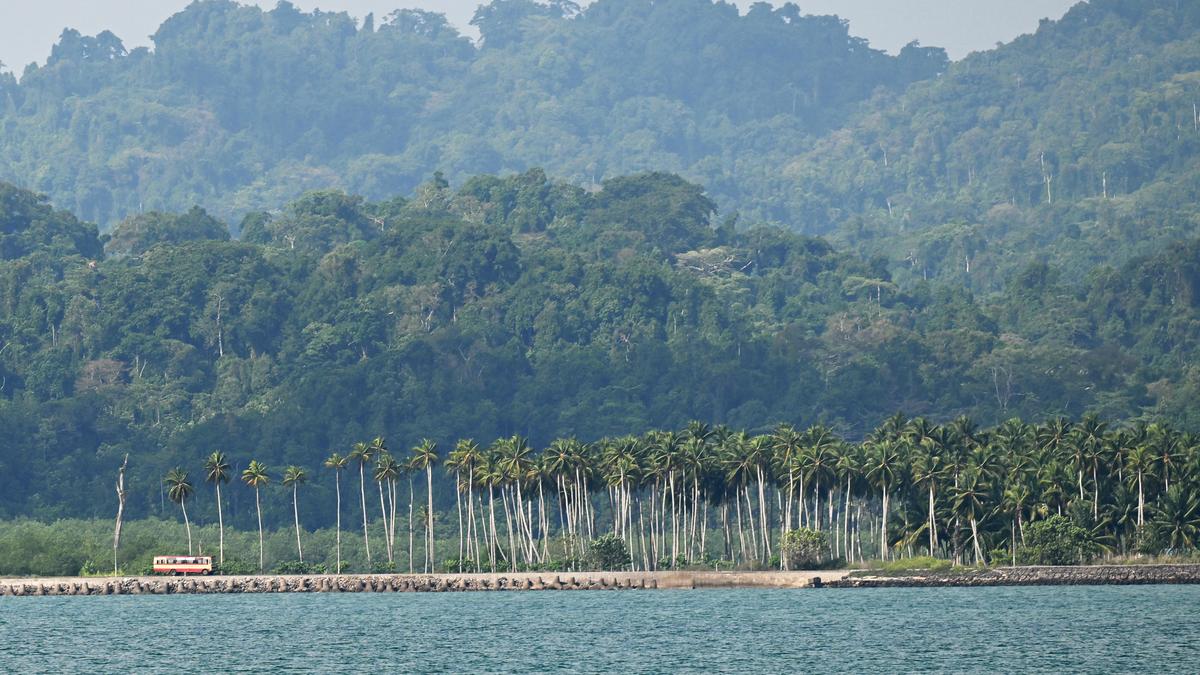
The Calcutta High Court will hear petitions challenging the Great Nicobar Project in June, rejecting the central government’s objections to the proceedings. The project involves large-scale infrastructure development on the island, including a deep-sea port, airport, and a township.
Petitioners argue the project poses significant environmental threats, particularly to the island’s unique rainforest ecosystem and the indigenous Shompen tribe. Concerns center around deforestation, disruption of wildlife habitats (including nesting sites of turtles), and the overall ecological impact. They claim insufficient environmental impact assessments were conducted and that proper consultations with affected communities were lacking.
The central government initially argued the High Court lacked jurisdiction, asserting the project falls under the purview of the National Board for Wildlife and that hearings should occur within the National Green Tribunal (NGT). They also raised concerns about potential delays to a strategically important project.
However, the court dismissed these objections, stating it *does* have jurisdiction over the matter, particularly regarding the environmental clearances granted. The court emphasized the importance of protecting the environment and the rights of indigenous communities.
Specifically, the court noted the project requires felling approximately 8.3 lakh trees, a substantial environmental cost. It questioned the adequacy of the proposed afforestation plans to offset this loss.
The court directed the central government to file detailed affidavits addressing the concerns raised in the petitions, including specifics on environmental impact mitigation measures, consultations with the Shompen tribe, and the rationale behind the project’s scale.
The hearing is now scheduled for June, allowing petitioners and the government to present their arguments and evidence. The outcome could significantly impact the future of the Great Nicobar Project and set a precedent for environmental considerations in large-scale development projects in ecologically sensitive areas. The court’s decision underscores the importance of balancing strategic interests with environmental protection and the rights of vulnerable communities.