


The article details concerns regarding the validity of consent obtained from Gram Sabhas (village councils) for the Great Nicobar Project, a large-scale infrastructure development plan on the island. Investigations reveal that several Gram Sabhas which purportedly approved the project did not meet the legally mandated quorum of 50% attendance.
Specifically, resolutions passed in Little Andaman, Tillanchong, and other islands lacked the required minimum participation. In some cases, attendance was as low as 17% and 23%, significantly below the 50% threshold stipulated by the Provisions of the Panchayats (Extension to Scheduled Areas) Act, 1996 (PESA). This Act aims to ensure self-governance through traditional institutions in Scheduled Areas like Nicobar.
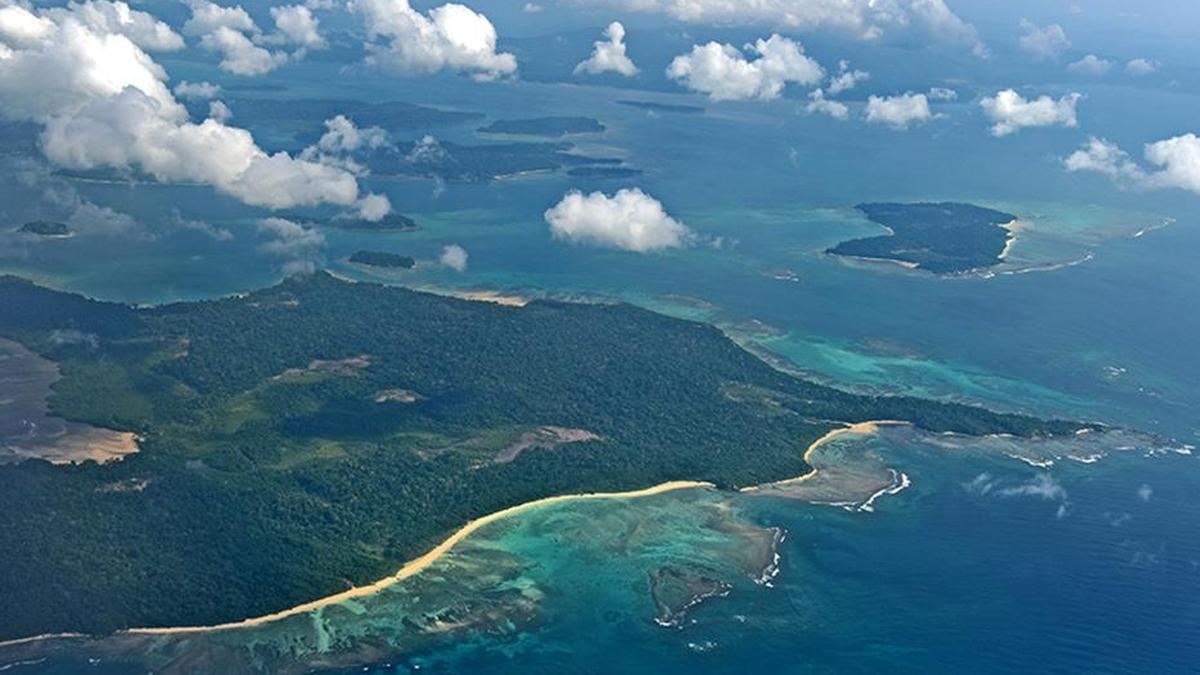
The project involves constructing a deep-sea port, an airport, a power plant, and a road network, impacting ecologically sensitive areas and the indigenous Shompen and Nicobarese tribes. Concerns center around the potential displacement of these tribes and the destruction of their habitat.
Documents obtained through Right to Information (RTI) requests confirm the low attendance figures. Officials involved in the process acknowledge the quorum issue but claim the resolutions were still valid due to the presence of a majority of those *present* voting in favor. However, critics argue this interpretation disregards the PESA Act’s intent to ensure broad-based community consensus.
The Forest Advisory Committee (FAC) had previously raised concerns about the validity of the consent process and requested clarification from the Andaman and Nicobar administration. The administration responded stating that the resolutions were passed following due process, but did not adequately address the quorum issue.
Legal experts suggest the lack of proper quorum could render the approvals legally vulnerable, potentially leading to project delays or even cancellation. The article highlights a growing debate about the transparency and legitimacy of the consent process for large development projects impacting tribal communities and fragile ecosystems. The issue raises questions about whether genuine free, prior, and informed consent was obtained from the affected communities.