


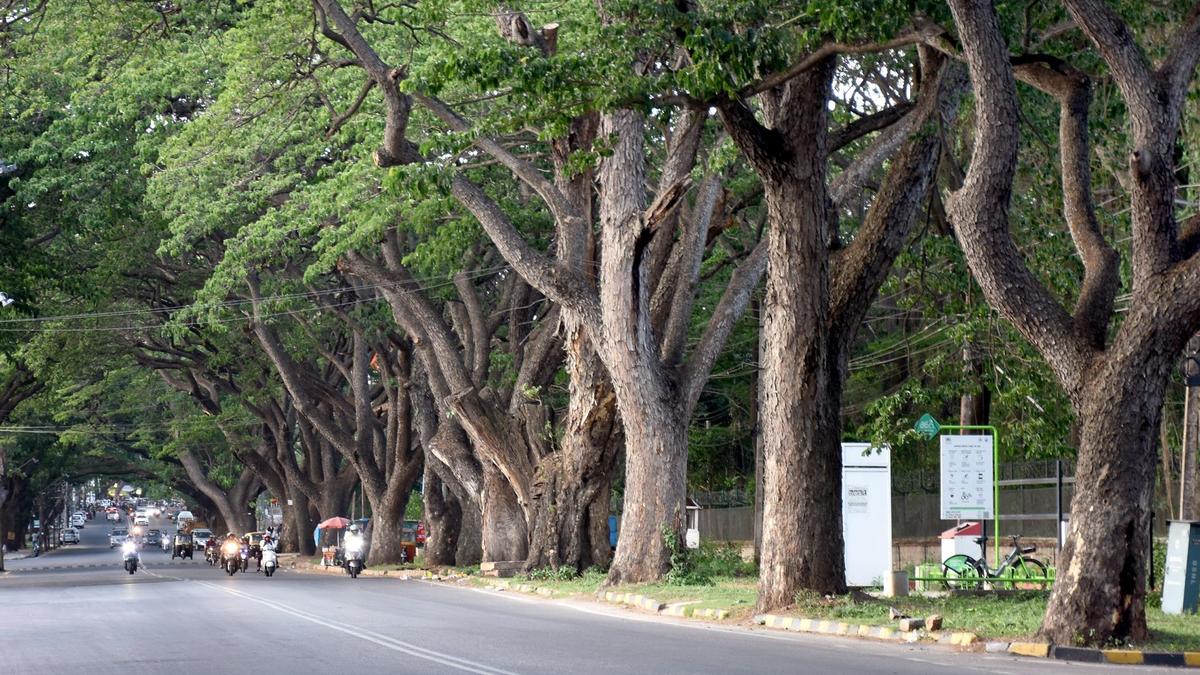
The felling of over 200 trees in Mysuru, Karnataka, for National Highways Authority of India (NHAI) road widening projects has triggered concerns among environmental activists and citizens. The trees were removed along the stretch of the Mysuru-Nanjangud highway, specifically between Kadakola and Hootagalli, to facilitate the expansion of the highway from four to six lanes.
Activist Joseph Hoover has raised questions about the transparency of the tree felling process and the lack of public consultation. He alleges that the NHAI proceeded with the felling without adequate assessment of the environmental impact and without seeking input from local communities. Hoover points out discrepancies in the number of trees felled versus the number officially reported. He claims over 200 trees were cut, while official figures suggest a lower number.
The NHAI defends the tree felling as necessary for the highway’s expansion, citing permissions obtained from the Forest Department. They state that a compensatory plantation drive will be undertaken to offset the loss of trees, with plans to plant around 2,500 saplings. However, critics argue that compensatory plantation cannot fully compensate for the ecological loss caused by removing mature trees, which provide significant environmental benefits like carbon sequestration and habitat for wildlife.
Concerns have also been raised about the selection of trees for felling, with allegations that healthy trees were removed unnecessarily. The activist group has requested detailed information regarding the project’s environmental clearance, the species of trees felled, and the plan for compensatory plantation.
The incident highlights a recurring conflict between infrastructure development and environmental conservation. While highway expansion is seen as crucial for improving connectivity and economic growth, the associated environmental costs are drawing increasing scrutiny. The case underscores the need for greater transparency, public participation, and robust environmental impact assessments in infrastructure projects. The Forest Department confirmed permissions were granted based on NHAI’s request and adherence to guidelines, including compensatory afforestation.