

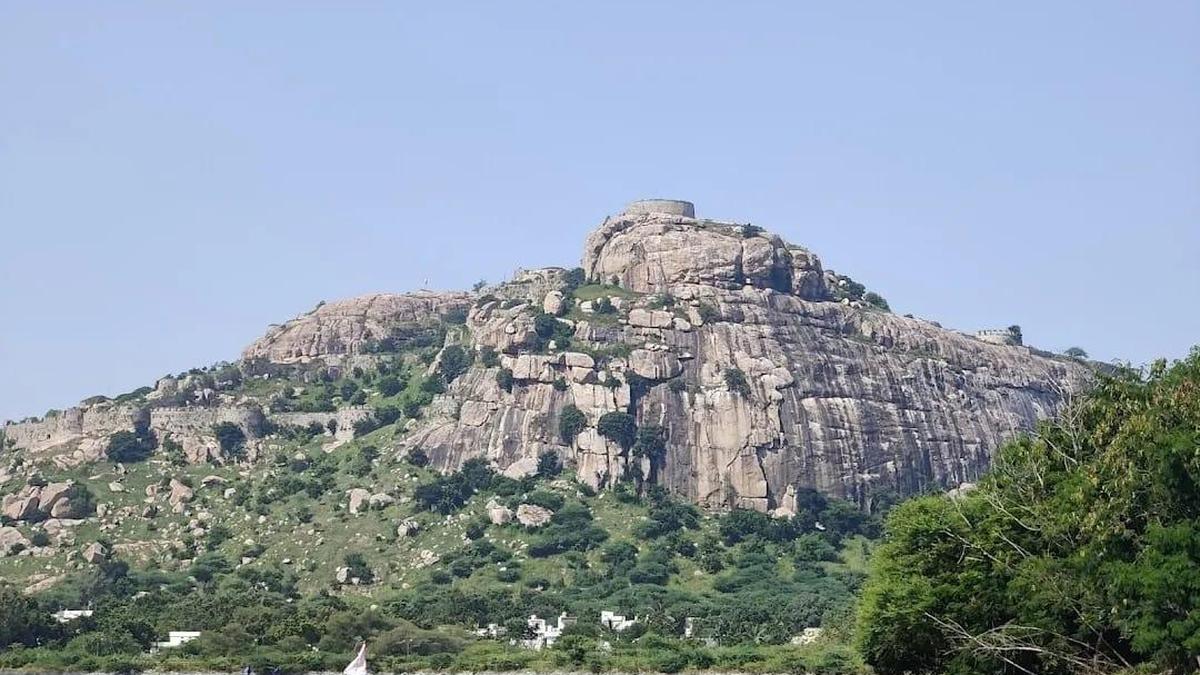
Karnataka’s “Adopt a Monument” scheme, launched in 2021 to involve private and corporate entities in the preservation of the state’s historical monuments, has received a lukewarm response after three years. The scheme aimed to provide facilities like restrooms, drinking water, and improved lighting at Archaeological Survey of India (ASI) protected sites in exchange for corporate social responsibility (CSR) funds.
Only 38 of the 169 monuments identified for adoption have been successfully adopted. Of these, 28 adoptions are by private individuals and 10 by companies. The total funds received thus far are approximately ₹6.3 crore, a small fraction of the estimated ₹150 crore needed for comprehensive development of all identified monuments.
Several factors contribute to the scheme’s limited success. Stringent guidelines, including a three-year maintenance clause and restrictions on commercial activities within monument premises, deter potential adopters. Companies often prefer projects with quicker returns or more visible branding opportunities. The lack of flexibility in tailoring MoUs to suit individual adopter needs is also a hindrance.
Furthermore, bureaucratic delays in approving proposals and transferring funds have discouraged participation. Some adopters have expressed frustration with the lengthy process and lack of clear communication from the Department of Archaeology, Museums and Heritage.
The adopted monuments have seen improvements, including better landscaping, signage, and basic amenities. However, significant restoration work remains pending at many sites due to insufficient funds. The scheme’s impact is unevenly distributed, with some popular monuments receiving more attention than lesser-known sites.
The Department is now considering revisions to the scheme’s guidelines to make it more attractive to potential adopters. These revisions may include easing restrictions on permissible activities and streamlining the approval process. The goal is to increase private sector involvement and ensure the long-term preservation of Karnataka’s rich cultural heritage. The department acknowledges the need for a more proactive approach to marketing the scheme and engaging with potential partners.