


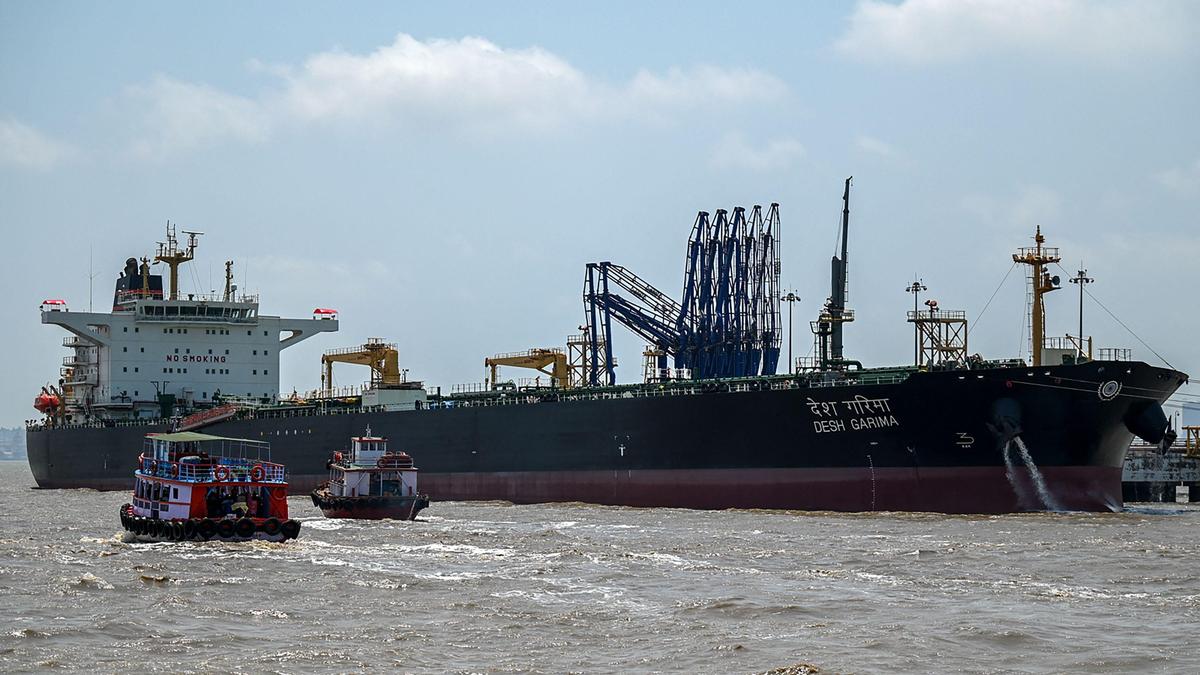
India’s energy security is increasingly challenged by global conflicts, particularly in Ukraine and the Middle East, despite its diversified energy import sources. The article highlights India’s reliance on imports for over 85% of its crude oil needs and a significant portion of natural gas, making it vulnerable to supply disruptions and price volatility.
The Ukraine conflict initially led to a surge in oil prices, prompting India to increase oil imports from Russia, benefiting from discounted rates. This move, while securing supply, drew criticism from Western nations. Simultaneously, India has been actively pursuing alternative sources, including increased imports from the United States and the Middle East, attempting to balance geopolitical considerations with energy needs.
Recent escalations in the Middle East, particularly the Israel-Hamas conflict, pose renewed risks. The potential for wider regional instability threatens oil and gas supplies from the region, which is crucial for global energy markets. India’s dependence on Middle Eastern oil necessitates careful navigation of diplomatic and economic strategies to ensure uninterrupted supply.
The article emphasizes the importance of accelerating India’s energy transition towards renewable energy sources. Investments in solar, wind, and green hydrogen are vital to reduce dependence on fossil fuel imports and enhance energy independence. However, the transition requires substantial investment, technological advancements, and infrastructure development.
Furthermore, the piece discusses the need for strategic petroleum reserves to buffer against supply shocks. India currently has limited storage capacity, and expanding these reserves is crucial for maintaining a secure energy supply. Diversifying import partners and strengthening energy diplomacy are also key strategies.
Ultimately, India’s energy security requires a multi-pronged approach encompassing diversification of supply, accelerated renewable energy adoption, strategic reserve building, and proactive diplomatic engagement to mitigate the risks posed by geopolitical conflicts. The current global landscape demands a resilient and adaptable energy strategy to safeguard India’s economic growth and national security.