

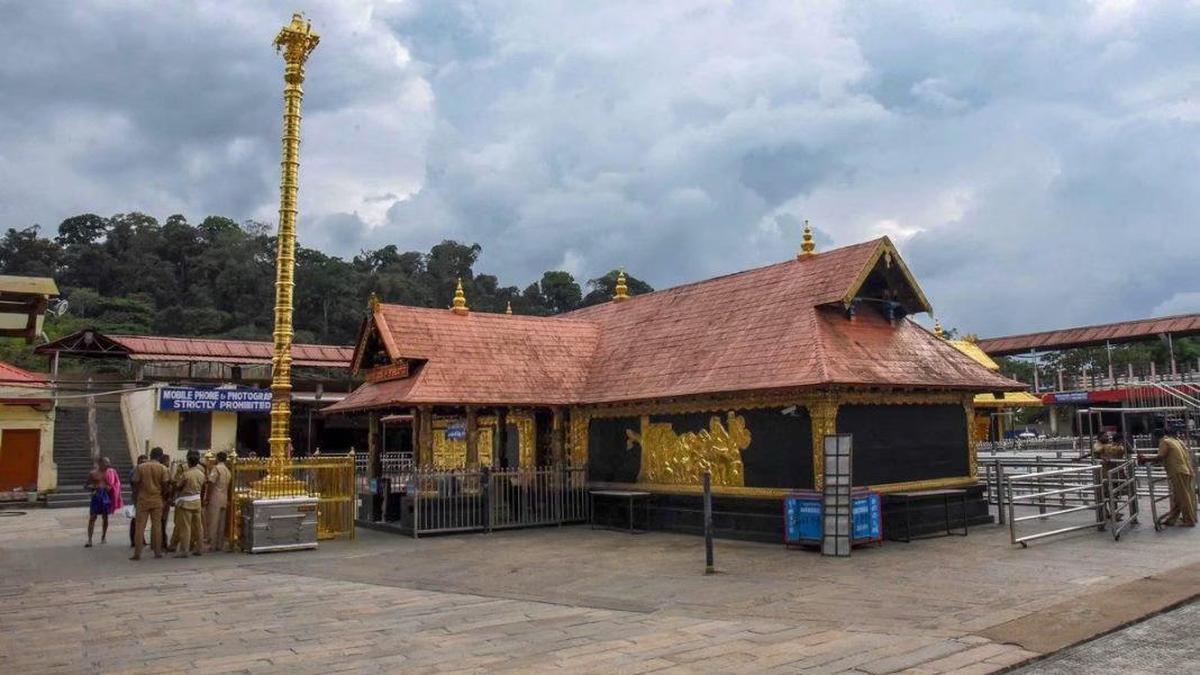
The Supreme Court questioned the Kerala Bar Council regarding its decision to send a team of lawyers to Sabarimala during the 2018 protests against women’s entry, specifically focusing on their interactions with the then Chief Priest and Tantri. The court was hearing a review petition related to the 2018 judgment allowing women of all ages to enter the Sabarimala temple.
The core of the questioning revolved around the Bar Council’s stated purpose for sending the lawyers – to observe the situation and report back – and its subsequent actions. The court expressed skepticism, asking what business the lawyers had engaging with the Chief Priest and Tantri, particularly given the ongoing legal dispute. Justice DY Chandrachud pointedly asked, “Were you the Chief Priest? What was your business?”
The court highlighted that the lawyers’ report, submitted to the government, appeared to support the stance of the temple authorities opposing women’s entry, raising concerns about potential bias and interference in the judicial process. The Bar Council argued their intention was to understand the religious sentiments and traditions surrounding the temple.
The Supreme Court is investigating whether the Bar Council’s actions amounted to attempting to mediate or influence the situation outside the purview of legal proceedings. The court emphasized the importance of maintaining the independence of the legal profession and preventing its misuse for extrajudicial purposes.
The Bar Council’s president defended the team’s actions, stating they were merely gathering information and had not offered any legal advice. However, the court remained unconvinced, questioning the necessity of direct engagement with religious figures when their mandate was simply observation.
The court has requested further clarification from the Bar Council regarding the specific interactions with the Chief Priest and Tantri, and the nature of the information exchanged. The matter is likely to examine the ethical boundaries of lawyer involvement in sensitive socio-religious disputes and the potential for compromising the integrity of the judicial process. The next hearing is scheduled for February 27th.