

## West Bengal Election Results & Mamata Banerjee’s Response – Summary
Mamata Banerjee’s Trinamool Congress (TMC) retained power in West Bengal, securing a third consecutive term. The TMC won 113 seats in the 294-member Assembly.
The Bharatiya Janata Party (BJP) emerged as the primary opposition, winning 77 seats, a significant increase from its previous performance but falling short of its goal to unseat the TMC.
The Left Front and Congress alliance secured a combined total of 31 seats. Other parties, including the ISF (Indian Secular Front), won a smaller number of seats.
Despite the win, the TMC experienced a loss of seats compared to its 2016 performance (211 seats). The BJP significantly improved its seat count from 3 in 2016.
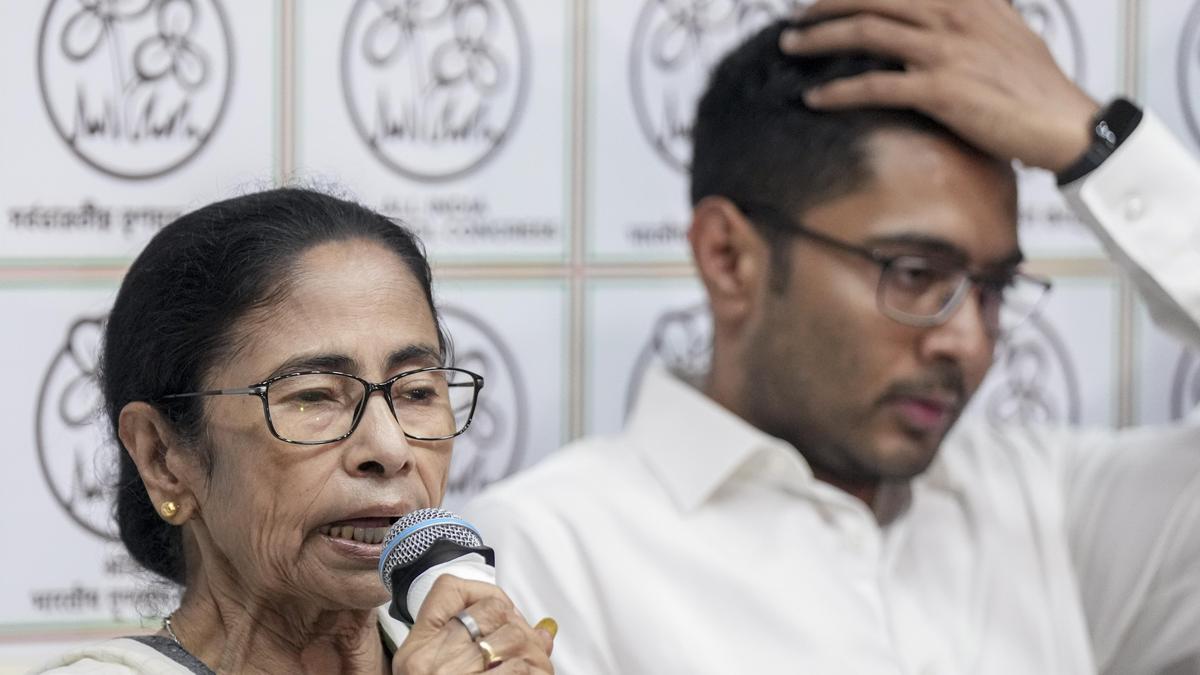
Post-election, Mamata Banerjee firmly stated she would not resign as Chief Minister, asserting the TMC did not *lose* the election, but rather the BJP gained ground. She attributed the reduced margin of victory to factors like central forces and alleged manipulation.
Banerjee acknowledged the impact of the Nandigram election, where she lost to Suvendu Adhikari of the BJP, and indicated she would file an election petition challenging the result, citing irregularities.
She emphasized the TMC’s victory was achieved despite a “huge conspiracy” and a “lot of pressure” from the central government.
Banerjee expressed gratitude to the people of West Bengal for reposing their faith in the TMC and promised to continue working for their welfare.
The election was marked by high stakes and intense campaigning, with both TMC and BJP deploying significant resources. The results indicate a polarized electorate and a strengthening of the BJP’s position in the state.
The TMC’s victory, though reduced in margin, confirms Mamata Banerjee’s continued dominance in West Bengal politics. The BJP’s performance establishes it as a formidable opposition force.