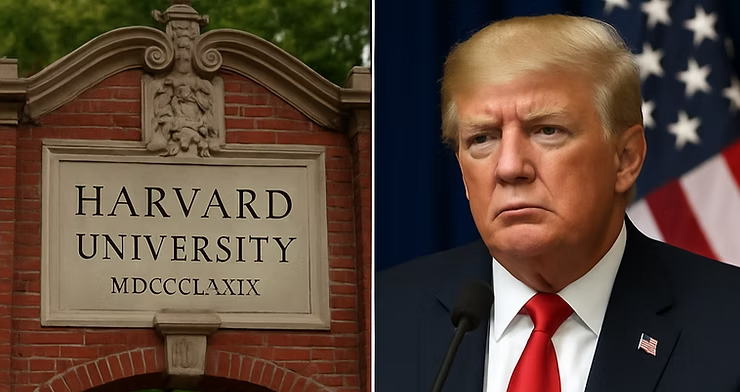


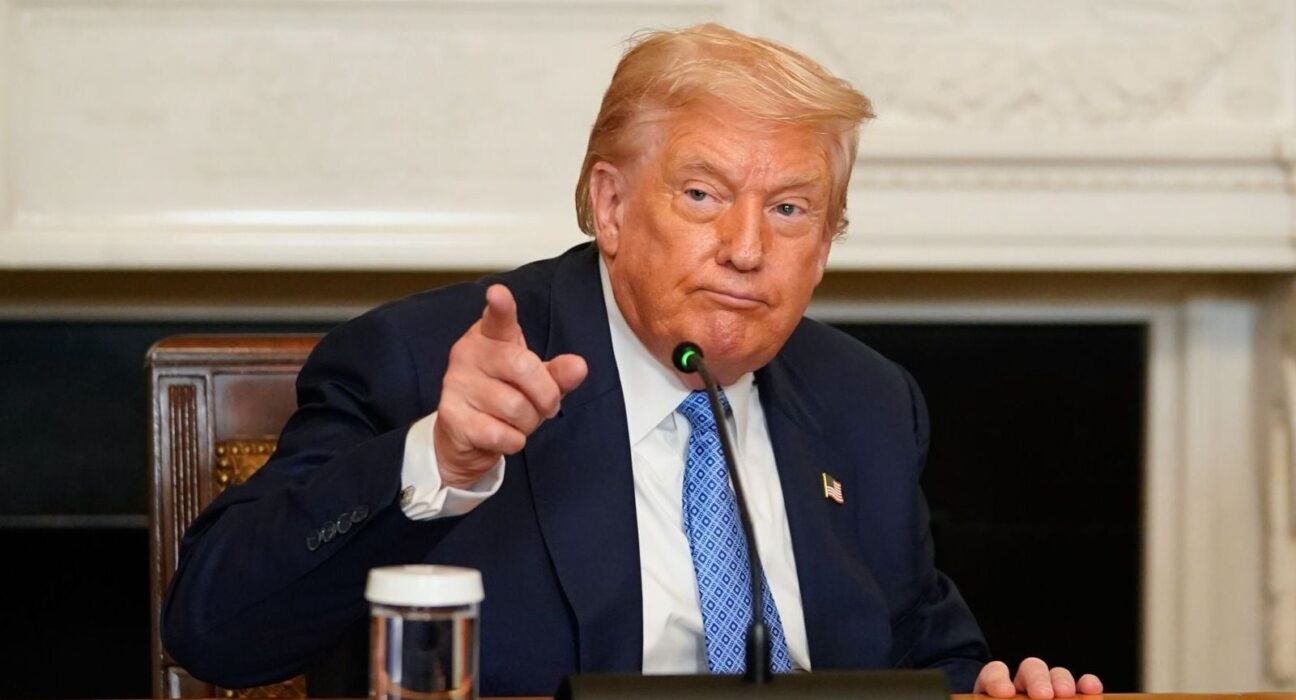
Former President Donald Trump has pledged to take rapid measures to address homelessness in Washington, DC, emphasizing a plan to clear encampments and restore order in public spaces. Speaking at a recent event, Trump framed the initiative as a critical step to improve safety, reduce urban blight, and uphold the capital’s image as a symbol of national pride.
‘We cannot allow our great cities to be overrun by tent cities and dangerous conditions,’ Trump stated, highlighting concerns about public health risks and deteriorating quality of life for residents. His proposal includes collaborating with local authorities to relocate unhoused individuals into ‘more suitable facilities,’ though specific details on housing solutions or funding remain unclear.
Advocates for homeless populations have expressed alarm over the plan, arguing that forced removals could worsen vulnerabilities for those already struggling. ‘Displacing people without providing sustainable housing or support services only perpetuates the cycle of poverty,’ said a spokesperson for a DC-based nonprofit. Critics also point to longstanding underfunding of mental health resources and affordable housing as root causes that demand long-term solutions.
Trump’s remarks echo policies from his presidency, during which federal efforts to clear homeless encampments in cities like Los Angeles and San Francisco sparked legal challenges. Supporters of the approach, however, argue that reclaiming public spaces is essential for community safety and economic vitality. ‘This isn’t about indifference—it’s about restoring dignity to both the city and its people,’ one advocate remarked.
The debate unfolds as DC grapples with rising homelessness amid soaring living costs and post-pandemic economic strain. While local leaders acknowledge the urgency, many stress that cooperation, rather than coercion, is key to addressing the crisis. As discussions continue, the proposed cleanup raises deeper questions about balancing civic aesthetics with compassionate policymaking in America’s urban centers.