


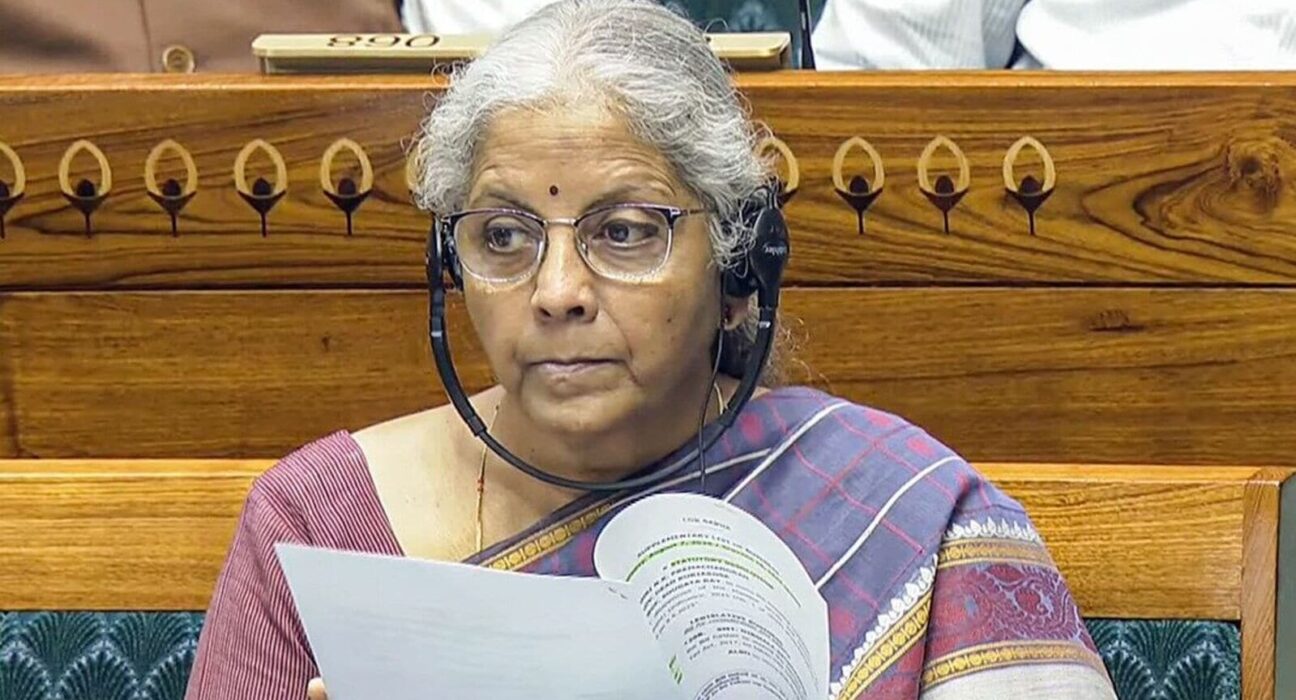
Finance Minister Nirmala Sitharaman is poised to introduce the revised Income Tax Bill 2025 in the Lok Sabha, sparking widespread anticipation among taxpayers, policymakers, and businesses. The bill, which aims to overhaul India’s tax structure, is expected to address long-standing concerns while aligning with the government’s vision of simplifying compliance, boosting economic growth, and enhancing taxpayer convenience.
This legislative move comes after months of consultations with stakeholders, including industry leaders and tax experts, to create a more equitable and progressive tax regime. Key updates may include revised income tax slabs, rationalized deductions, and measures to reduce litigation. The bill could also introduce provisions to incentivize digital transactions and strengthen the formal economy.
One of the most awaited changes is the potential adjustment of tax brackets to account for inflation and rising living costs, providing relief to middle- and lower-income groups. Additionally, the bill might streamline exemptions under Sections 80C and 80D of the Income Tax Act, balancing revenue collection with taxpayer benefits. Clarity on capital gains tax and cross-border transactions could also feature in the proposal.
For businesses, the revised bill may focus on reducing corporate tax disputes by simplifying assessment procedures and extending faceless litigation schemes. Startups and small enterprises could see enhanced support through tax holidays or relaxed compliance norms to foster innovation and job creation.
Experts suggest the legislation will prioritize technological integration, building on initiatives like the e-assessment framework and pre-filled tax returns. This aligns with India’s push toward a digital-first economy, minimizing manual interventions and improving transparency.
However, challenges remain, particularly in ensuring that reforms translate into tangible benefits without straining fiscal targets. Sitharaman’s announcement is likely to emphasize the bill’s role in creating a sustainable tax ecosystem that promotes investment and equitable growth. As debates unfold in Parliament, stakeholders will keenly watch how the proposed changes balance taxpayer welfare with broader economic priorities.