


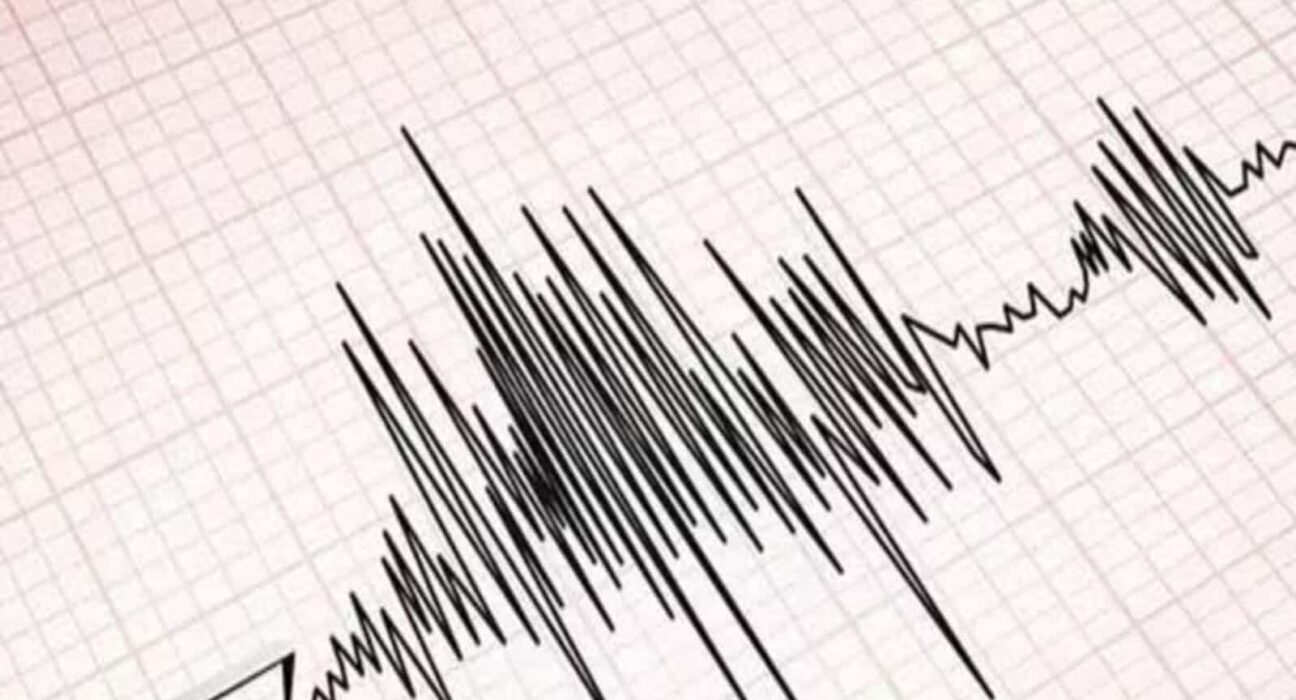
A strong earthquake measuring 6.1 on the Richter scale jolted southern Turkey on [insert date], adding fresh trauma to a region still grappling with the aftermath of catastrophic quakes earlier this year. The tremor, centered near the Turkey-Syria border, struck at [insert local time], sending panicked residents fleeing into streets as buildings swayed and debris scattered across affected areas.
Local authorities reported at least [insert number] injuries and partial collapses of structures in nearby towns, though immediate fatalities were not confirmed. Emergency teams rushed to assess damage in hardest-hit zones, with rescue workers scouring unstable buildings for potential survivors. “Our priority is ensuring no one remains trapped,” said [official name], a regional disaster response coordinator, during a press briefing.
The quake reignited anxiety among communities still recovering from February’s 7.8-magnitude disaster that claimed over 50,000 lives in Turkey and Syria. Seismologists noted that today’s event occurred along the same East Anatolian Fault line, highlighting the area’s persistent vulnerability. “This is a reminder that aftershocks and new seismic activity can persist for years,” explained [Seismologist Name] from [Institution].
Videos circulating online showed shoppers ducking under counters in shaken markets, while cracked walls and shattered windows marked the quake’s path. In [Town Name], residents camped in open spaces overnight, too fearful to return to homes. “We felt the ground roll like waves—it’s the same nightmare all over again,” shared [Resident’s Name], a local shopkeeper.
Turkish disaster agency AFAD issued temporary warnings for coastal regions, though no significant tsunami threats materialized. President [Name] pledged swift reconstruction support, emphasizing strengthened building codes introduced after February’s tragedy. International aid groups remain on standby as the region braces for potential aftershocks.
While this quake proved less destructive than earlier calamities, its psychological impact runs deep. Families already living in temporary shelters now face renewed uncertainty. As night fell, the glow of emergency vehicles illuminated rescue sites—a hauntingly familiar sight for a land straddling one of Earth’s most active fault lines.