

Al Jazeera has accused Israeli forces of deliberately targeting and killing five of its journalists in a recent airstrike on a tent sheltering media personnel in southern Gaza. The strike, which occurred amid ongoing hostilities between Israel and Hamas, has drawn sharp condemnation from the network and press freedom advocates. The Israeli military, however, asserts that the targeted site was linked to Hamas militants, stating the operation was based on “intelligence about terrorist activity” in the area.
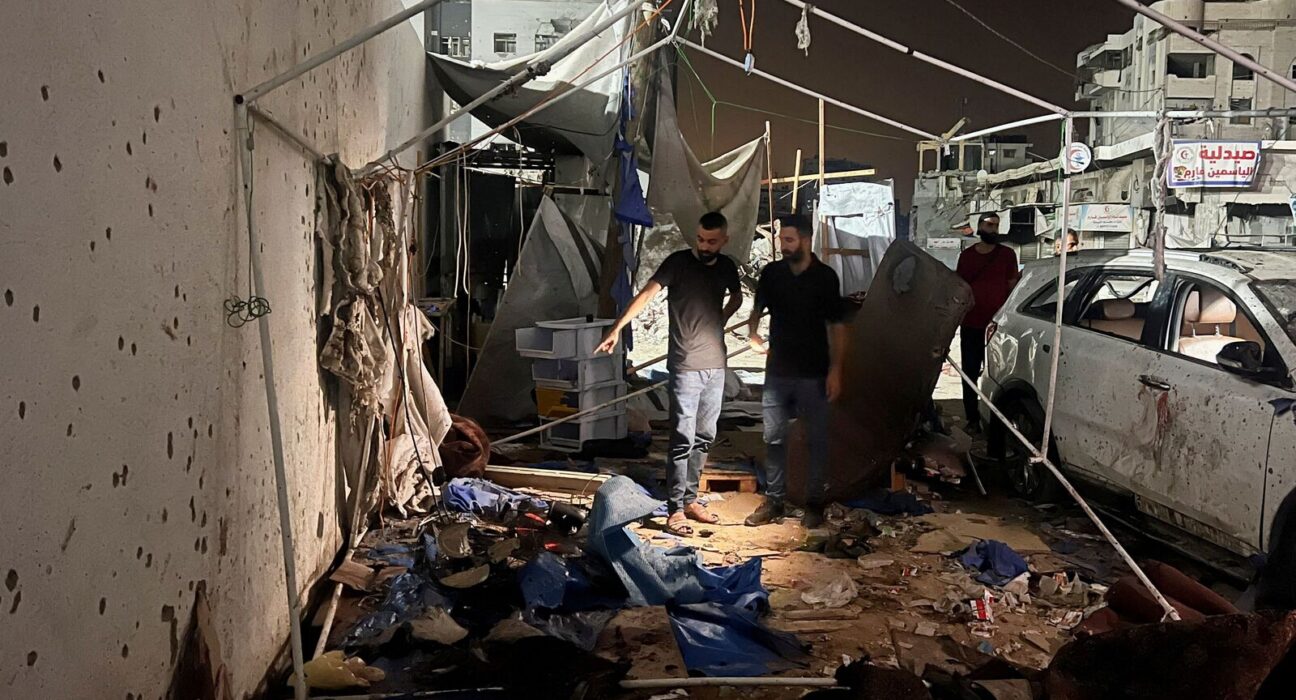
The journalists, identified as veterans with years of conflict coverage experience, were reportedly documenting civilian displacement in Rafah when the strike hit their makeshift media center. Al Jazeera condemned the attack as a “blatant violation” of international protections for press crews and called for global accountability. Footage from the scene showed charred equipment and debris scattered around the destroyed tent, highlighting the peril faced by reporters in the region.
In a statement, the Israel Defense Forces (IDF) reiterated that the strike targeted a “Hamas-affiliated compound” and denied intentionally attacking journalists. They emphasized that the area was a known operational hub for the group, though they provided no immediate evidence linking the journalists to militant activities. Hamas officials dismissed the IDF’s claims as “baseless,” accusing Israel of attempting to silence media coverage of civilian casualties.
The incident has intensified scrutiny over the risks to journalists in Gaza, where over 100 media workers have been killed since the war began in October 2023, according to press advocacy groups. Al Jazeera vowed to pursue legal action, labeling the attack part of a broader pattern of violence against its staff. The network has lost multiple journalists in Gaza, including the family of chief correspondent Wael Dahdouh, who survived an earlier strike that killed his wife and children.
International organizations, including the Committee to Protect Journalists and UNESCO, urged independent investigations into the strike. Critics argue that conflicting narratives from both sides underscore the challenges of verifying facts in a war zone. As Gaza’s humanitarian crisis deepens, the strike amplifies concerns about the toll on civilians and the press, whose work remains critical to documenting the conflict’s human cost.