

Former President Donald Trump’s aggressive tariff policies, implemented during his administration and proposed again in his 2024 campaign, have sparked significant debate about their economic impact. While promoted as tools to bolster American manufacturing and reduce trade imbalances, evidence suggests these tariffs have produced mixed results, failing to substantially shrink the US trade deficit while contributing to higher consumer prices and inflationary pressures.
During Trump’s presidency, tariffs targeting Chinese imports (averaging 19%) and global steel/aluminum products (25% and 10% respectively) were framed as protective measures for domestic industries. However, comprehensive studies from organizations like the Federal Reserve and Tax Foundation reveal conflicting outcomes. Though certain protected sectors like steel saw temporary employment gains, downstream industries paying more for tariff-affected materials suffered job losses—resulting in negligible net employment gains nationwide.
The core promise of tariff-driven trade deficit reduction remains unfulfilled. Despite initial declines during the 2020 pandemic, the US trade deficit rebounded to record highs under Trump’s policies and continued growing post-administration. The deficit with China specifically decreased only marginally as trade patterns shifted to other Asian nations rather than returning to American manufacturers—a phenomenon economists call ‘trade diversion.’
American consumers bore significant costs from these policies, with tariffs effectively functioning as taxes on purchases. Studies indicate households paid approximately $1,700 more annually for affected goods, disproportionately impacting lower-income individuals. Sectors reliant on steel and aluminum experienced notable production cost increases, making US exports less competitive internationally despite the intended protective effects.
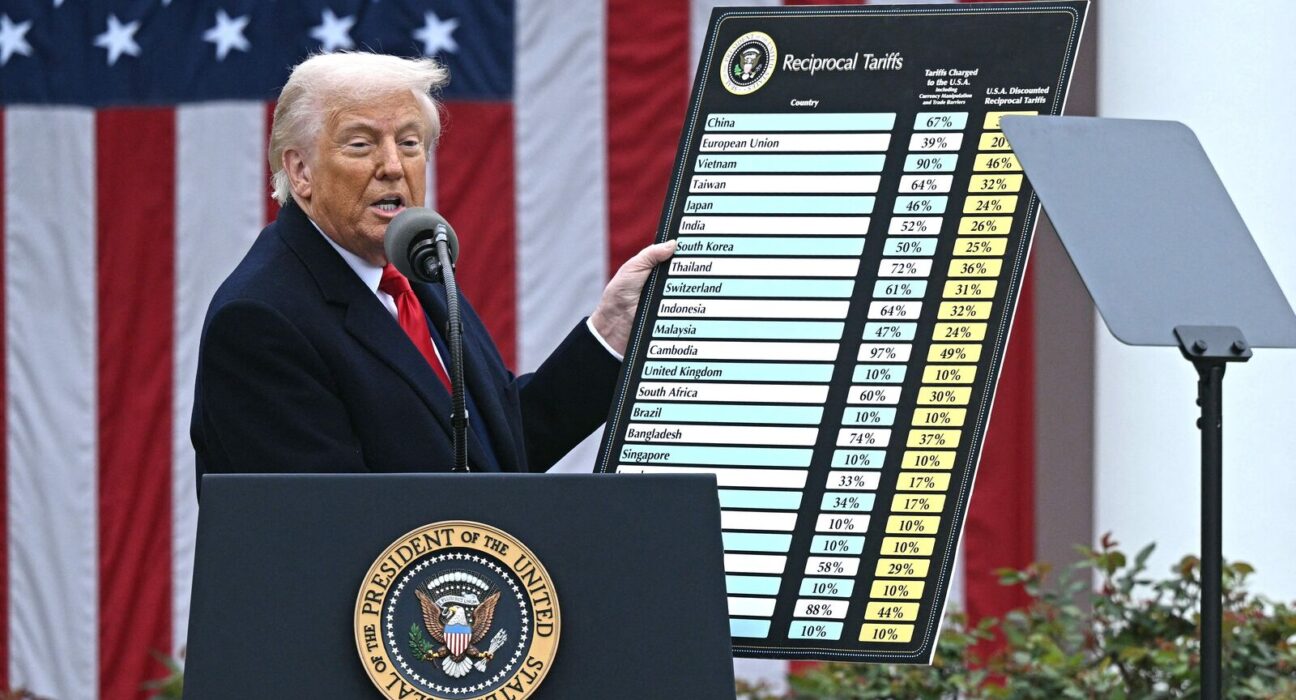
Current proposals to escalate tariffs—including a universal 10% levy on all imports and up to 60% on Chinese goods—raise renewed concerns among economists. Analyses project these measures could reduce long-term GDP by over 1% and eliminate hundreds of thousands of jobs while fueling inflation. With the Federal Reserve already combating price surges, additional inflationary pressure could complicate monetary policy and economic stability.
Proponents argue tariffs provide crucial leverage in trade negotiations and protect strategic industries. However, critics emphasize that sustained protectionism risks global trade fragmentation, reduces economic efficiency, and imposes hidden costs through supply chain disruptions. As trade policy remains central to political debates, the Trump-era experiments suggest tariffs deliver concentrated benefits to specific industries while distributing diffuse costs across the broader economy—raising fundamental questions about whether such measures genuinely achieve their stated goal of ‘making America rich.’